One Signature Away: Why Laikipia’s Economy Cannot Depend on a License
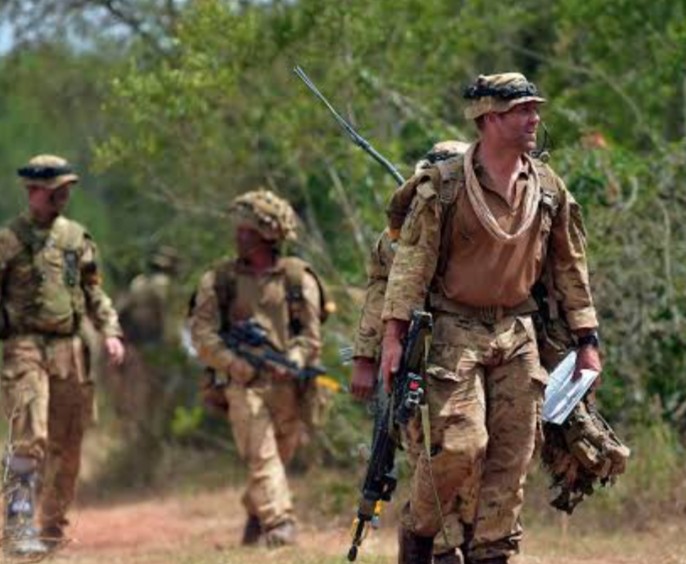
British soldiers on patrol during a Batuk training exercise in Laikipia, Kenya(Photo,File)
Laikipia, got its soldiers back. But the relief lasted only about a day. Then people asked a harder question, what happens next year?
In July, a delay in renewing government licences almost cancelled this year’s Exercise Haraka Storm, the British Army’s big yearly training programme in Laikipia. Kenya and Britain later agreed to issue the licences.
By early August, British and Kenyan troops were already back working together, clearing old explosives in Samburu ahead of the main exercise in September. On paper, the problem is over.
But the man who has spent weeks explaining what almost happened does not call it solved. Former Laikipia East MP Mutahi Kimaru welcomed the licence, then added a warning that most headlines skipped.
We are happy that Batuk’s licence has been restored, although we understand it is only temporary
Mutahi Kimaru
That one word temporary is the real story here. Not the cancellation. Not the reversal. The fact that a whole county’s economy can swing on one decision made in Nairobi, renewed year after year.
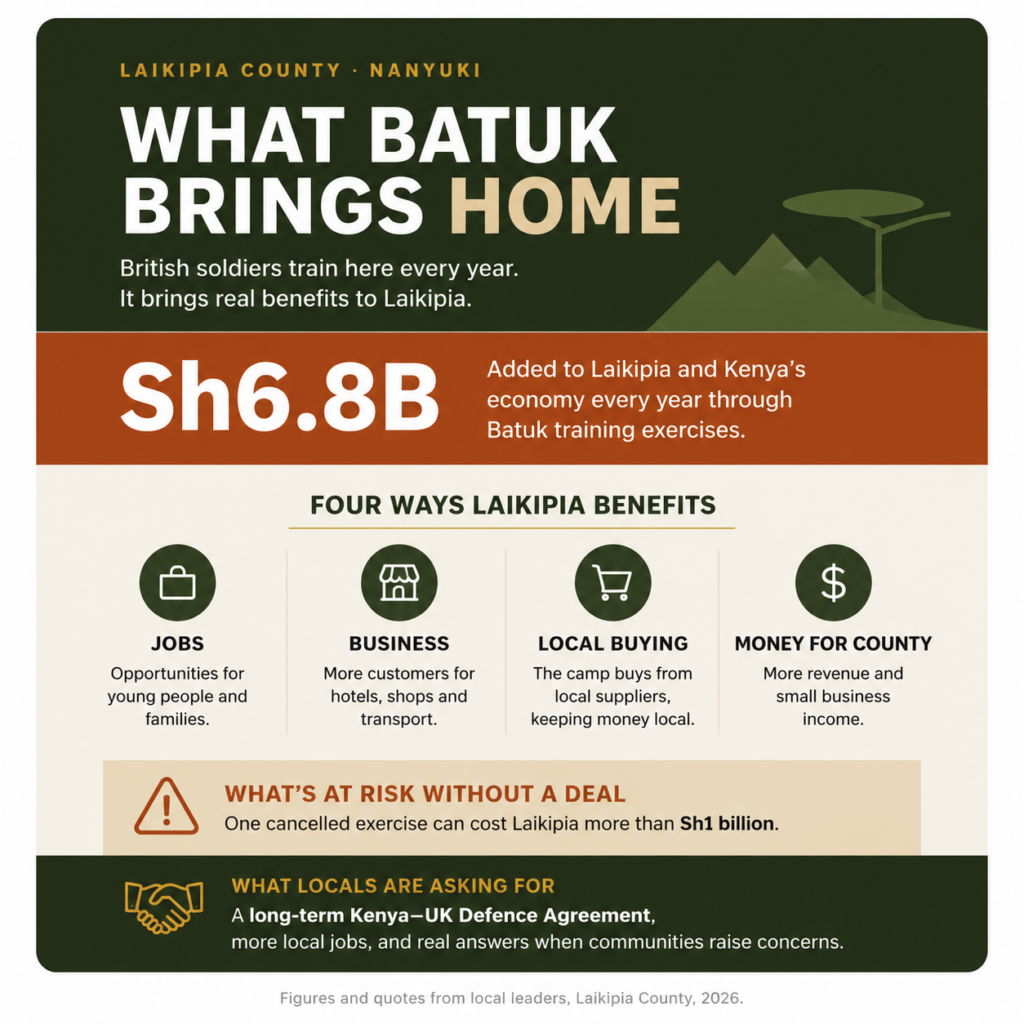
Kimaru estimates that Batuk’s presence brings in about Sh6.8 billion a year for the county and the country, through local buying, jobs, and business linked to training seasons.
He says this one exercise alone the one that nearly did not happen was worth more than Sh1 billion.
Multiply that across every year Batuk has trained in Laikipia, and a pattern appears. The county has built a real, working economy around a foreign military unit,but that unit’s right to operate is renewed through paperwork that can and just did get stuck.
This is not just a story about one exercise,it’s a story about how much of Nanyuki’s daily income sits on a foundation that was never meant to be permanent.
The people who cannot afford “temporary”
Behind the big numbers are people for whom a delayed licence is not just an idea on paper. They are the young men and women who load supply trucks, drive for hire, cook, clean, guard gates, or sell mandazi and sodas to soldiers passing through town.
Their income is already casual and seasonal by nature. It does not need extra uncertainty on top of that.
This is why the July scare mattered beyond the news headlines. A cancelled exercise would not have only hurt contractors and suppliers with formal agreements to lose. It would have hit hardest the people with the least ability to absorb the loss the ones whose whole month’s plan depends on soldiers arriving on schedule.
The July standoff was never really just about paperwork. Parliament’s Defence, Foreign Affairs and Intelligence Committee had spent two years looking into Batuk’s operations before giving its report in November 2025.
Lawmakers wanted changes to the Kenya-UK Defence Cooperation Agreement, including making murder one of the crimes that Kenyan courts can judge a demand shaped partly by the long-unsolved killing of Agnes Wanjiru.
There were also claims, made publicly by former Deputy President Rigathi Gachagua, that people asked for bribes, causing the delay. Committee chairperson Nelson Koech denied this, saying the real issue was about legal jurisdiction and accountability, not money.
Whatever the true cause, the effect on Laikipia was the same. A county whose economy had no seat at that negotiating table still watched its livelihood get caught up in it.
The fight that actually matters now
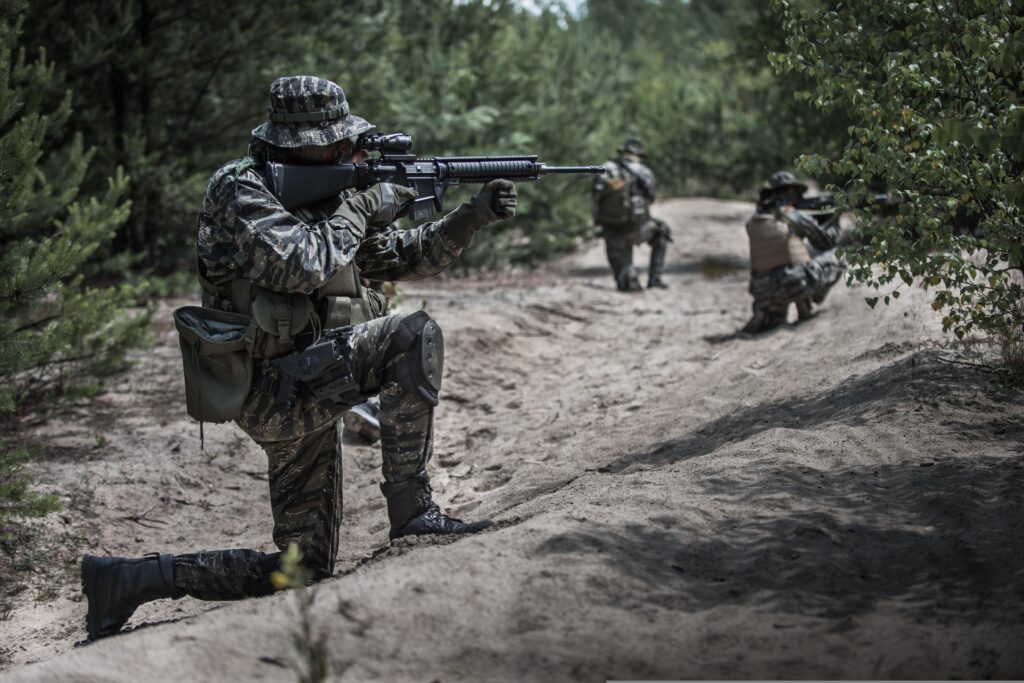
Soldiers carrying out gun shot practice at a deserted area next to Laikipia reserve
Batuk is not leaving Laikipia any time soon the economic and diplomatic ties run too deep for that.
It is about changing what “temporary” means pushing for a defence agreement, and a licensing process, strong enough that Nanyuki does not have to go through this same scare every single year.
Until that happens, the town’s relationship with Batuk will keep looking the same from the outside soldiers, trucks, paycheques, a busy camp gate while carrying the same quiet risk underneath: an economy worth billions, resting on a signature that must be renewed on someone else’s timeline.
An economy built this way is fragile by design. When one source even a generous one worth billions of shillings a year accounts for so much local income, a single policy change, scandal, or diplomatic dispute can ripple through markets, schools, and matatu saccos before local leaders even hear about it.
The lesson from July is therefore not that Laikipia should turn away from Batuk, but that it should not have to hold its breath every time a license comes up for renewal. Kenya and Britain now have an opportunity to provide a clearer, more predictable framework for Batuk’s operations while addressing the concerns over accountability and jurisdiction.
Until then, the soldiers may be back, the trucks may be moving and businesses may be busy again. But beneath that activity, the question remains: what happens next year? For Laikipia, lasting economic security will depend not simply on Batuk staying, but on building an economy resilient enough to thrive even when the answer is uncertain.



Nicely elaborated Laikipia is self independent while batik brings opportunity there is need to not rely on it much
Nicely elaborated Laikipia is self independent no while batuk is significant, laikipia should not rely on Batuk
One thing about laikipia something must happen, for example in laikipia west the farmers are infested by elephants and that was the government doing, we are not sure what will happen to our kids I’d batuk disappears
I think the soldiers are quite important cause in this Kenya or ours seems like unemployment is a common thing, can’t imagine what could happen to those working there if the batuk didn’t happen this year😥
I really get the Batuk are quite important but what about the issue of ebola in Laikipia we are in total darkness and it pisses me off😥
I am a local supplier in alaikipia I supply rice and cerals to laikipia camps and this is such great news , I hope they keep renewing their licence
Batuk this batuk that we really need to juggle our options are a country
If am honest I live in Laikipia west never heard of this , thank goodness read this , nicely written Joyce
Typical of Kenya leaders they don’t really put the small people in mind🤦
1 billion, hello ?? The government was about to risk this ?🤦
Ooh. I love this feature, well written
The authorities should provide a lasting solution that protects both public safety and the local economy.
I just learned something about Laikipia
I’ve never been to laikipia would like to visit….but in today’s economy kenyans need to be cleative
6.8biliion that’s a lot of money