THE SILENCE OF MISSING CHILDREN
The growing concern over child safety in Kenya as families navigate school holidays
As schools break for holidays and children look forward to days of play, family visits and outdoor activities, reports of missing children and abductions are raising difficult questions about how safe children really are, particularly in Nairobi.
A season of freedom, and anxiety
For many children, school holidays are the most exciting time of the year. It is a season of freedom from classroom routines, opportunities to visit relatives, play with friends, travel and spend more time outdoors.
But for some parents and guardians, the holiday season comes with a different kind of anxiety. Every trip to the playground, visit to the shopping centre or afternoon spent playing outside can bring fresh worries about a child’s safety.
In Nairobi, where busy streets, crowded shopping centres, public transport systems and densely populated residential neighbourhoods form part of everyday life, keeping an eye on children can be particularly challenging.
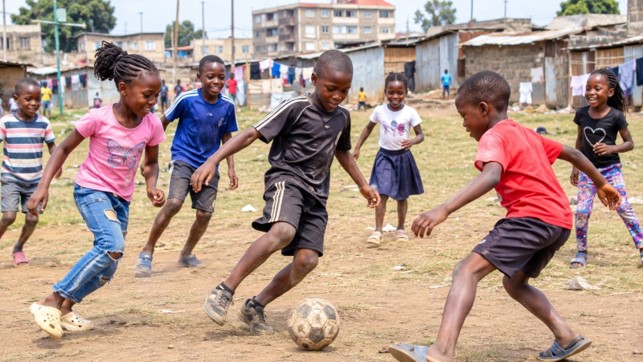
Behind the excitement of school holidays lies a serious concern: reports of missing children, abduction and trafficking leave families desperate for answers and communities questioning whether enough is being done to protect the youngest members of society.
What the numbers tell us
Government child-protection data has highlighted the scale of the challenge. Figures attributed to the State Department for Children Services indicate that 10,581 child-protection cases were recorded between January 2025 and March 2026. The reported categories included abduction, missing children, trafficking and abandonment.
Separate figures covering 2021 to December 2025 reportedly recorded 43,844 missing-child reports nationally, with Nairobi accounting for 6,389. These figures underline the need for sustained attention to child safety, particularly in urban areas.
However, the statistics must be interpreted carefully. Child-protection cases include different forms of harm, and a missing-child report is not automatically a confirmed abduction or trafficking case. Police figures have also shown a different year-on-year pattern, reinforcing the need for consistent definitions, transparent reporting and comparable data.
The central question is therefore not only how many children are reported missing, but also what circumstances surround these cases, how quickly authorities respond and how many children are safely reunited with their families.
Why holidays call for extra vigilance
During school terms, many children follow predictable routines. Parents generally know when they leave home, when they attend school and approximately when they return.
The holiday period changes this arrangement. Some children spend more time at home without direct adult supervision. Others visit relatives, attend social gatherings, accompany parents to work or spend hours playing with neighbourhood friends.
For working parents, particularly those who cannot afford childcare or additional supervision, balancing work and children’s safety can become difficult.
In residential estates, children may move between playgrounds, shops and neighbouring homes. In busy public spaces, they can become separated from caregivers. Shopping centres, bus stations, markets, entertainment venues and public events require particular attention because of the number of people moving through them.
These environments are not inherently unsafe. But crowds, distractions and gaps in supervision can create situations in which children become vulnerable. Risks may also come from people a child knows, including acquaintances or individuals who have gained a family’s trust. Child protection must therefore go beyond simply warning children about strangers.
At Mihango, Mama Ian shared the painful experience of losing her child after assuming the child was simply playing with other children nearby. What began as an ordinary moment of play became a disappearance that has left her searching and living with uncertainty.
“Ian alienda tu hivyo hadi wa leo sijawahi mpata. Hakuna mama anafaa kuskiza uchungu niko nayo. Watu wachunge watoto.”
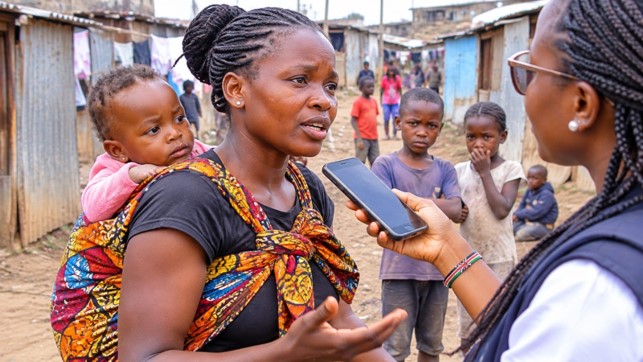
Her words carry the anguish of a parent who has not found her child. Her account is a reminder that a moment of assumed supervision can have consequences no family should have to endure. It also reinforces the importance of knowing exactly where children are and who is watching them.
In English, her message is: “Ian just went like that, and to this day I have never found him. No mother should have to experience the pain I am going through. People should look after their children.”
The risks parents cannot afford to ignore
Child safety begins with awareness. Parents and guardians should know where their children are, who they are spending time with and which adults are responsible for supervising them.
Children should be taught not to accept lifts, gifts or invitations from anyone without permission from a parent or designated caregiver. They should also know what to do if they become separated from their families in public places, including how to seek help from an appropriate, identifiable authority figure.
For younger children, close supervision is essential around roads, playgrounds, shopping centres and crowded public spaces.
Parents should also think carefully before sharing children’s photographs, locations, school details and daily routines on social media. Information posted online can expose children to risks if it reaches the wrong people.
Clear communication between parents, relatives, domestic workers, neighbours and anyone entrusted with caring for children is equally important. A child should not be handed over to another person without proper confirmation with the parent or legal guardian.
What child-protection professionals want parents to know
The concern is also reflected by those working to protect children. Officer Elizabeth, a police officer in charge of children, warned that cases involving children continue to rise, particularly during holiday periods. She also raised concern about the involvement of people whom families may trust.
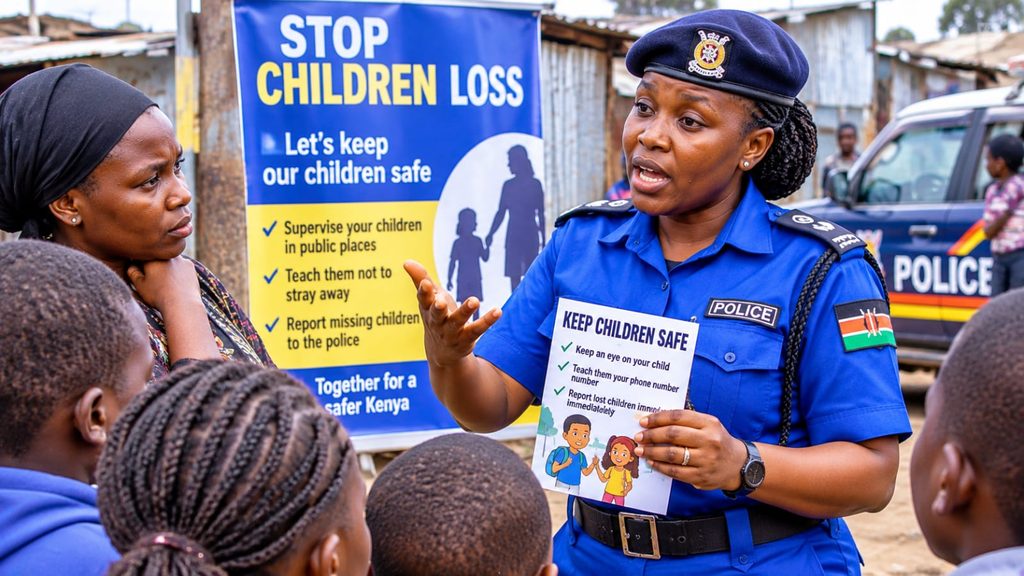
“Cases keep rising, especially on holidays, and it’s sad that the most trusted people are even the ones who sell off some of these kids,” she said.
Her warning points to a difficult reality for parents: safeguarding children requires vigilance not only around unfamiliar people but also around the adults who have access to them and have earned a family’s trust. Her observation about rising cases is attributed to her interview and should be supported with official, comparable statistics before being presented as an established national trend.
When a child goes missing, act immediately
For a parent, the moment they realise their child is missing can be overwhelming. Panic, fear and uncertainty can make it difficult to know what to do first.
Parents and guardians should report a missing child to the nearest police station immediately. There is no need to wait 24 hours before making a report. They should provide a recent photograph and as much useful information as possible, including the child’s last known location, clothing and the circumstances of the disappearance.
Kenya’s National Child Helpline, 116, provides a free, 24-hour service for reporting child-protection concerns and seeking assistance. Families can also use the helpline’s WhatsApp service on 0722 116 116, subject to current service availability.
Communities can help by reporting credible concerns, sharing verified missing-child alerts responsibly and cooperating with authorities. Families should avoid circulating unverified claims, exposing sensitive information unnecessarily or confronting suspected perpetrators themselves.
Beyond parents: a community responsibility
Protecting children cannot be left to parents alone. Neighbours, landlords, security guards, transport operators, teachers, religious institutions, community organisations and local administrators all have a role to play.
Residential estates can strengthen child safety by encouraging residents to report suspicious behaviour, improving visitor-monitoring practices where appropriate and establishing clear procedures for responding when a child goes missing.
Schools can use holiday programmes and communication channels to remind parents and children about personal safety. Local leaders and child-protection organisations can organise awareness campaigns that equip families with practical information on preventing abduction, exploitation and trafficking.
At the national level, effective investigations, coordination between police and children’s services, reliable data collection and accountability for perpetrators remain essential.
Ultimately, the measure of an effective child-protection system is not just the number of cases recorded. It is also how quickly cases are investigated, whether children are found and supported, and what is done to prevent similar incidents.
Let children enjoy their childhood
Children deserve to enjoy their holidays without being confined indoors by fear. They deserve to play, explore, visit friends and create memories. But freedom must be accompanied by protection.
As families prepare for another holiday season, keeping children safe must become a shared priority. Parents must remain vigilant, communities must be alert, and authorities must strengthen the systems designed to protect children.
A holiday should leave children with beautiful memories, not families with unanswered questions and painful searches.