The File That Replaces the Exam
How KSTVET Is Grading Without Foolscap
Imagine walking into Building Workshop 2 at Kenya School of TVET (KESTVET) expecting to find students buried in books, preparing for examinations. Instead, you find them carrying blue files filled with photographs.
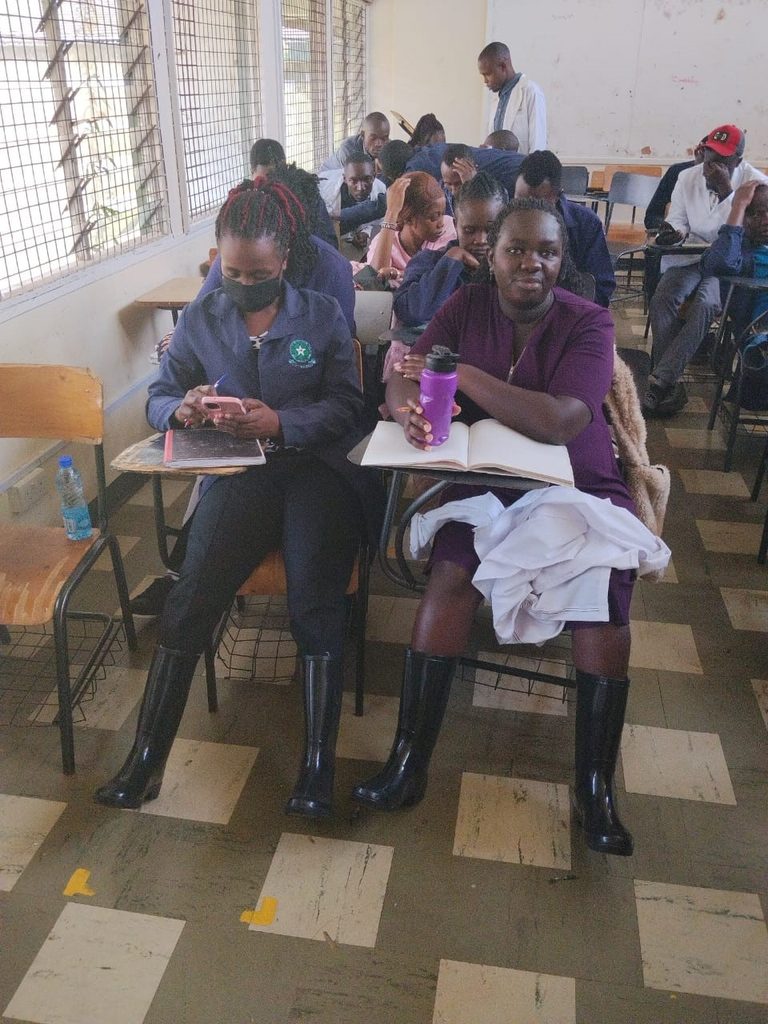
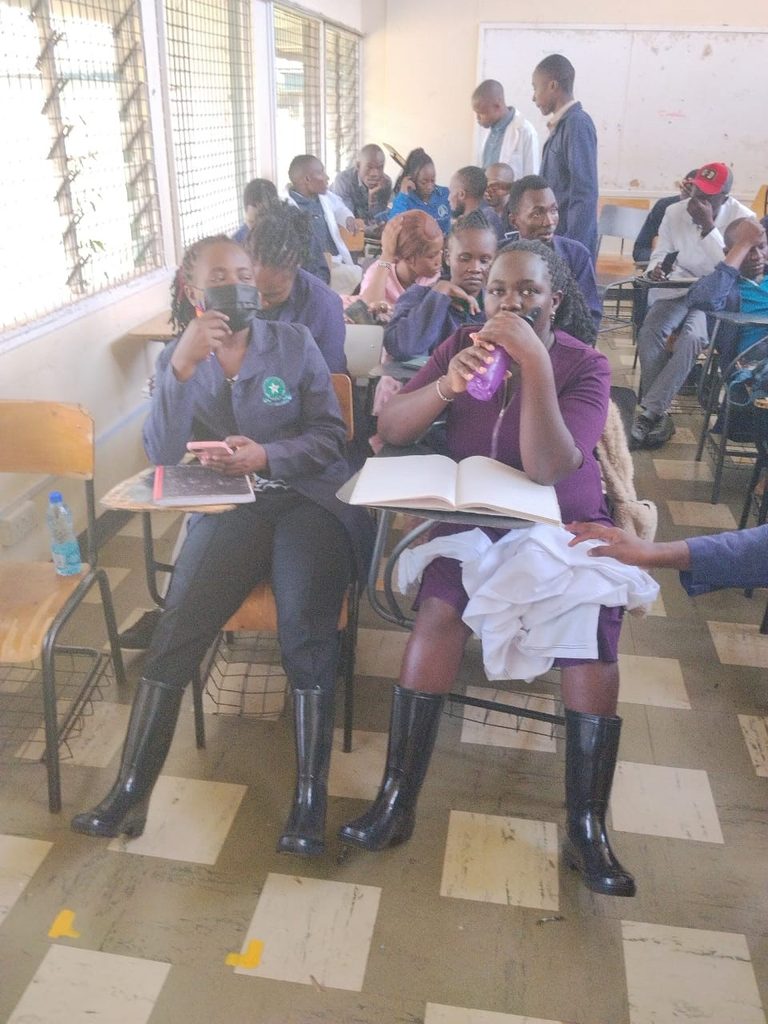
But these are no ordinary photographs. One shows a neatly constructed wall, another captures a perfectly joined plumbing pipe, while another features a student dressed in protective gear, complete with gumboots and a helmet. Beneath each photograph is a trainer’s signature and one powerful word: Competent.
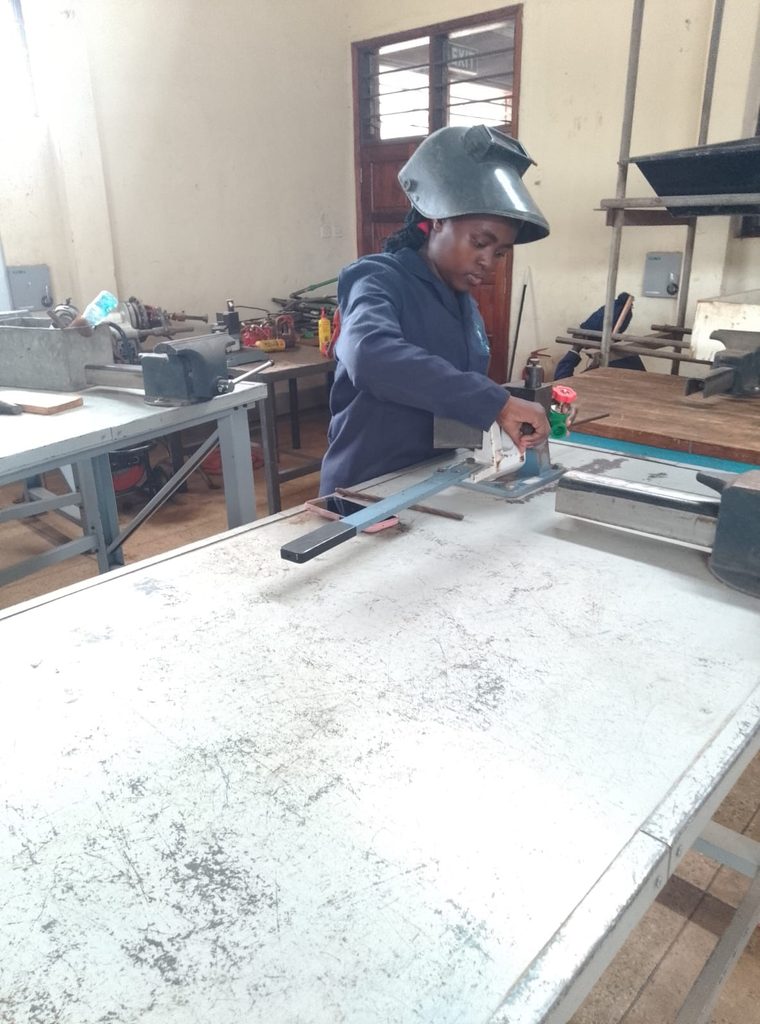
Welcome to a new era of technical training, where practical skills speak louder than handwritten examination papers.
At KESTVET, students acquire and demonstrate skills through a system known as Competency-Based Education and Training (CBET). Under the traditional 8-4-4 system, a building technology student might have earned marks by writing several pages defining mortar and explaining its uses.
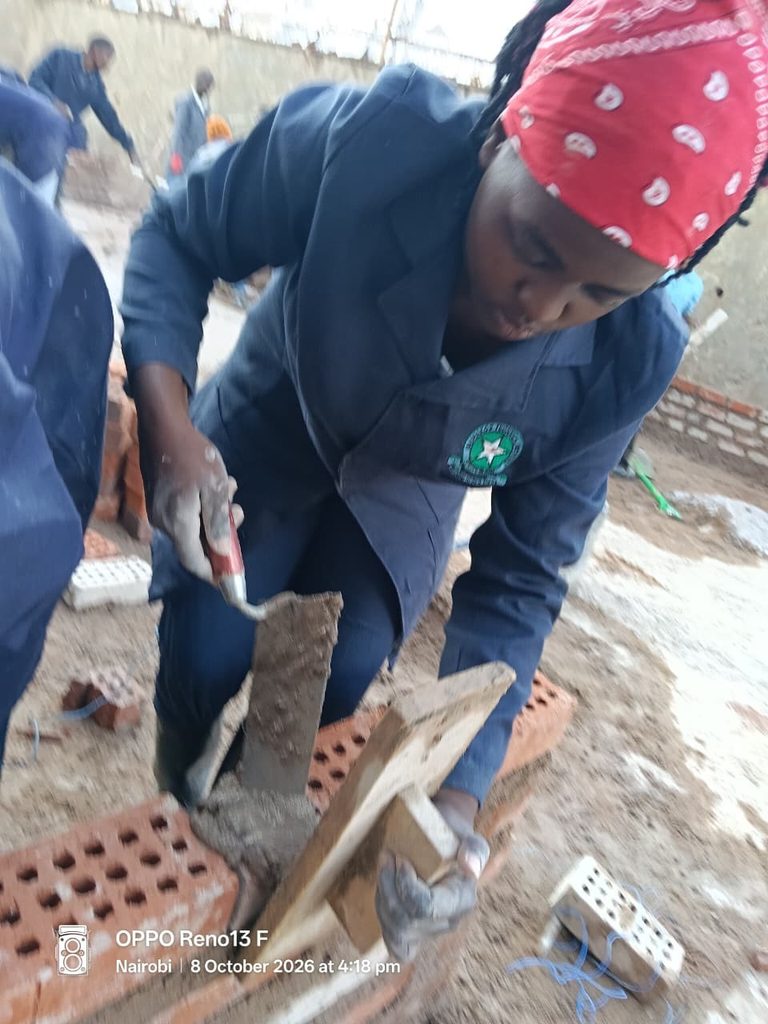
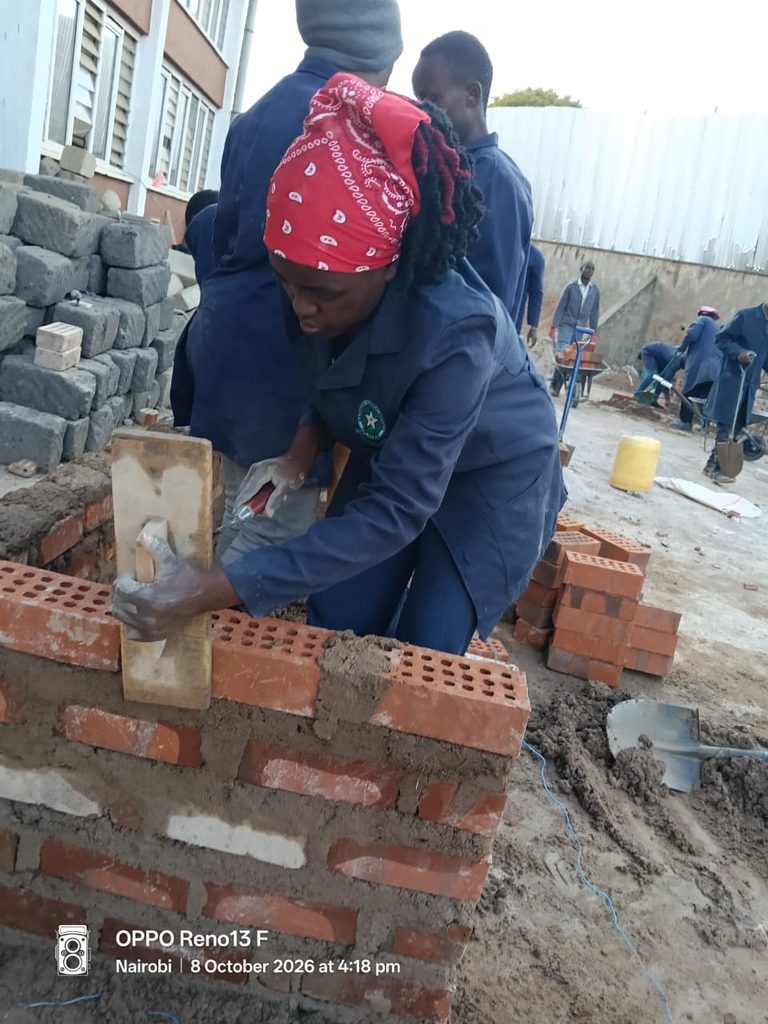
Under CBET, however, knowing the definition is not enough. The student must demonstrate the ability to mix mortar in the correct ratio of one-part cement to four parts sand and construct a straight, stable wall.
Competent or Not Yet Competent
For Mr. Egesa, a Building Technology trainer at KSTVET, assessment is no longer about carrying bundles of examination scripts to mark. His most important assessment tool is now a checklist.
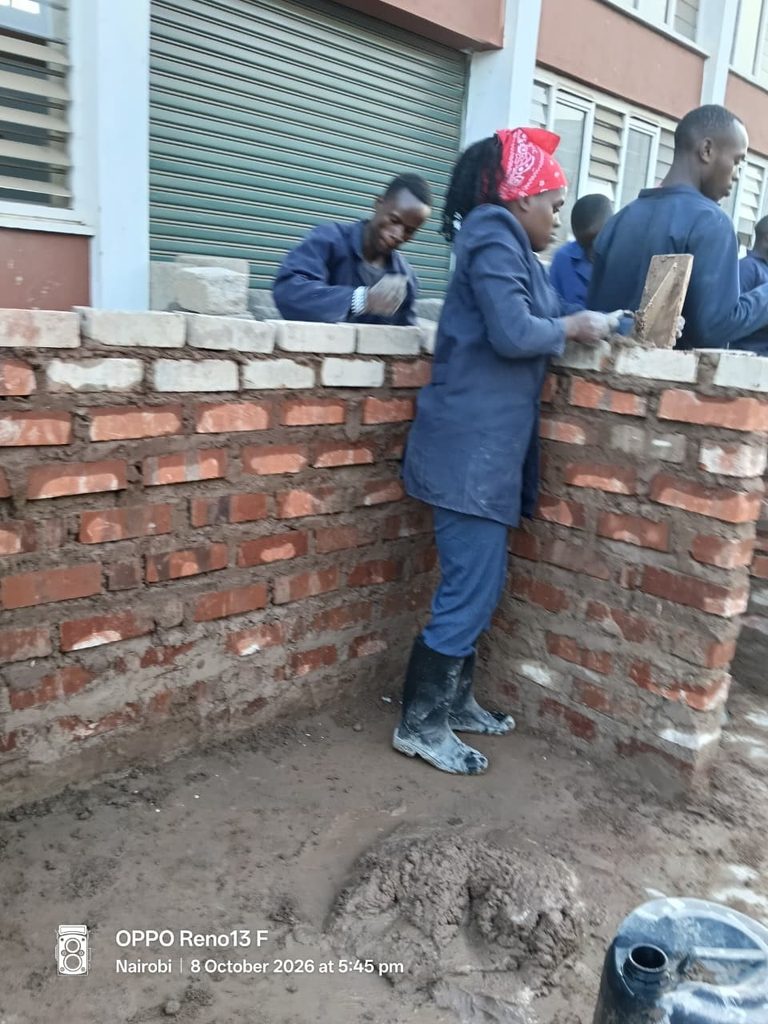
During a practical session at the workshop, I watched him assess a student tasked with constructing a one-metre stretcher-bond wall. He stood nearby, observing every movement as the student worked. His checklist covered five key areas:
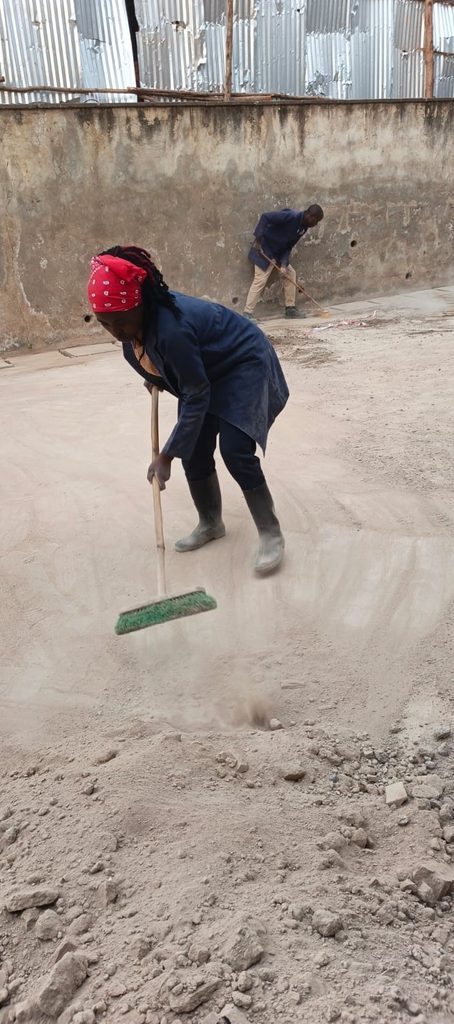
Whether the student wore the required protective equipment, including safety boots, gloves and a helmet;Whether the mortar was mixed correctly;Whether the string line and spirit level were properly used;Whether the finished wall was straight and properly aligned; andWhether the student cleaned the tools after completing the task.
There was no lengthy examination paper, no complicated marking exercise and no competition for first or second position. The outcome was simple: competent or not yet competent. A student who failed to meet the required standard was expected to practise and demonstrate the skill again.
A Portfolio That Speaks for Itself
For students at KESTVET, evidence of learning is increasingly taking a different form. Instead of relying entirely on academic transcripts, they are building what is known as a Portfolio of Evidence (PoE).
Joyce Kadzo, a Diploma student in Building Technology, proudly displayed hers. It contained twenty photographs documenting different practical tasks she had completed, each bearing the trainer’s signature as proof of her competence.
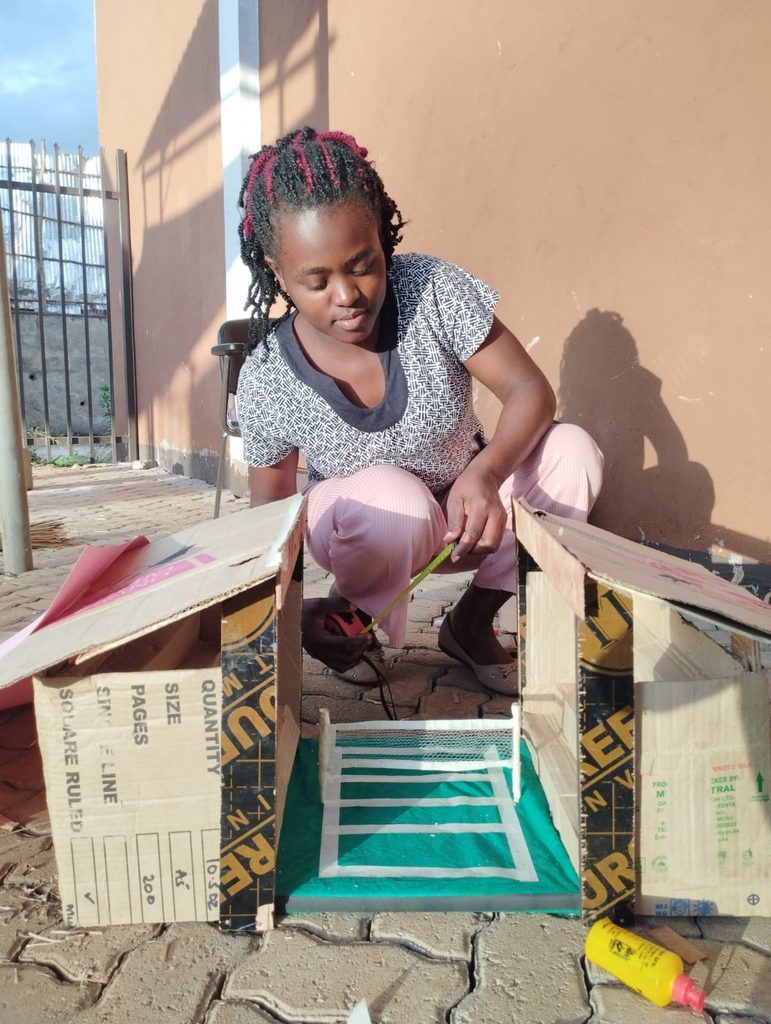
According to Joyce, the value of practical skills became clear during her industrial attachment in Mlolongo. When she approached a contractor looking for an opportunity, he did not begin by asking about her examination grades.
Instead, he wanted to know what she could actually do. She showed him photographs of her work on her phone, and that demonstration of ability helped her secure a job paying KSh 1,200 per day.
Her experience illustrates why the shift matters. Employers have long voiced concern about graduates who hold academic qualifications but struggle to translate classroom knowledge into workplace performance. CBET seeks to bridge this gap by ensuring that learners graduate with demonstrable skills relevant to industry demands.
The approach also opens doors for experienced artisans who acquired their skills outside formal learning institutions. Through Recognition of Prior Learning (RPL), people who have spent years on construction sites, in garages, in salons and in other workplaces can have their existing skills assessed and recognized. Their experience becomes evidence of learning, even without conventional academic certificates.
It is a shift unfolding across the country. On 8 October 2026, President William Ruto presided over the first graduation ceremony under the National Industrial Training Authority’s (NITA) RPL programme at State House. A total of 3,772 artisans received recognition for skills gained through years of hands-on experience in construction, mechanics, hairdressing and other trades. Rather than sitting traditional written examinations, they demonstrated what they could do and were assessed on their practical abilities.
The Road Ahead
The transition is not without challenges. Some trainers remain attached to traditional teaching approaches, preferring lengthy classroom lectures to practical demonstrations. Other workshops lack sufficient tools and materials to allow every student adequate hands-on practice. Parents, too, may struggle to understand a system where their children return home with fewer handwritten notes but more photographs of completed practica
There is also a need for continued investment in training facilities, assessment resources and trainer capacity to ensure that every learner gets a fair opportunity to demonstrate competence. Government initiatives such as the National Youth Opportunities Towards Advancement (NYOTA) programme reflect a growing emphasis on expanding skills development and economic opportunities for young people, particularly women and vulnerable groups.
At 5 p.m., as I left Building Workshop 2, the students were not rushing to the examination office to submit handwritten scripts. Instead, they were gathered around a tap, washing their trowels and attending to the walls they had constructed.