WHEN THE MIND MIND NEEDS A LITTLE PLAY
By Faith Makenna
FEATURE STORY
Toys can serve
different purposes
for different people.
CHRISTINE MAERI
Founder, Tamu Toys
Are you ever too old to play?
FEATURE STORY
WHEN THE
MIND NEEDS
A LITTLE
PLAY
Why a squeeze ball, a fidget spinner
or a coloring book can be more than
a toy, and what the research actually
says
Picture a student at 11 p.m., reading the same paragraph for the fifth
time. Her thoughts are racing, and her hands are restless. She picks up
a soft squeeze ball, squeezes, releases, squeezes again, and for a few
moments the knot in her chest loosens.
Was that a toy, a study aid, or a small mental health tool? The honest answer is
that it depends on who is holding it. This feature explains why toys have found a
place in people’s coping routines, what research says about them, and where
their limits lie.
Breaking the Notion That Toys Are Only for Kids
Most of us learn early that toys belong to children. Yet walk into a toy shop and a
different picture emerges. Squeeze toys, stretchy toys, and fidget toys are
designed to be handled again and again, and many of the people buying them
are adults.
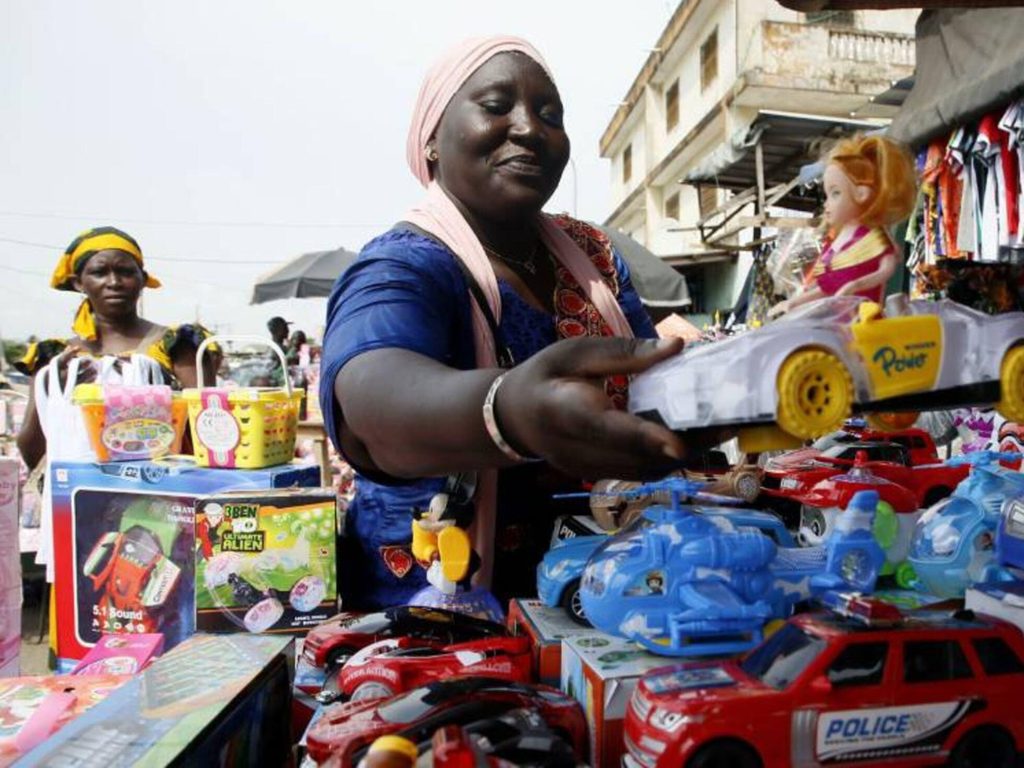
Christine Maeri, founder of Tamu Toys, discovered this almost by accident. She
began as a mother shopping for her child. The first product she ever stocked
was a bright blue squishy squeeze ball, and the first person to buy one from her
was an adult. “Toys can serve different purposes for different people,” she
explains.
Her customers’ reasons vary. Some like the feel of squeezing something soft.
Others need busy hands while they study, work, or think. One university student
came in during exam season, tired of rereading the same page, and chose a
squeeze ball simply to give her hands something to do while she revised. She
returned a week later to buy one for a friend.
Why This Matters: The Bigger Mental Health Picture
To understand why such small objects attract attention, it helps to look at the
scale of the problem they sit beside.
Globally, the World Health Organization estimates that about one in eight
people in the world lives with a mental disorder, with anxiety and depression the
most common. Its 2022 World Mental Health Report also noted that anxiety and
depression rose sharply in the first year of the COVID-19 pandemic.
When the Mind Needs a Little Play
PAGE 01
FEATURE STORY
In Kenya, the Taskforce on Mental Health, which handed its
report to the government in 2020, drew on earlier Ministry of
Health findings that at least 25 per cent of outpatients and 40
per cent of inpatients in health facilities had a mental illness.
The taskforce also pointed to stigma, limited public
understanding and gaps in services, with many counties
lacking proper mental health units.
These gaps help explain why many people look for simple,
private and affordable ways to cope day-to-day. They also
match what Christine Maeri hears: people stay silent because
they fear being judged, and some do not know where to seek
help or decide their problems are “not serious enough.”
The Toolbox: Four Kinds of Calming Toys
The toys most often linked to stress relief fall into a few groups.
Here is how people use each, and what the science says.
- Fidget spinners and fidget toys. These include spinners,
cubes and putty that people spin, click or stretch. They are
used in lectures, meetings and waiting rooms, anywhere
hands would otherwise fidget. Evidence is still limited. Health
reviewers note that there is little proof that they improve
attention, and no large studies have confirmed that they ease
anxiety. One small university study did find that 51 healthy
adults who wore a fidget ring for a week reported lower
anxiety than those given a plain ring. - Squeezers (stress balls). A squeezer is pressed and
released, often at a desk or while studying, or when someone
feels tense or angry. A preliminary study found that sixth
graders using stress balls during lessons reported a better
attitude and improved attention. The researchers behind this
work stress, however, that no definitive study exists yet. - Squishy toys. These soft, slow-rising toys are popular for
their texture. People squeeze them for the sensory feel, which
matches what Tamu Toys customers describe. Research on
squishies specifically is scarce, so they are best understood as
part of the wider family of sensory and fidget tools. - Colouring books. This is the best-studied item on the list. A
well-known 2005 experiment by Curry and Kasser found that
colouring a mandala reduced self-reported anxiety. Later
reviews call the approach promising but note that it is unclear
whether it helps people with very high anxiety or long-term
stress. People typically use it as a quiet 15–20-minute
wind-down, in the evening or in waiting rooms.
How Might the Calm Work?
Researchers suggest a few explanations, though none is
settled. Fidgeting is a natural way humans soothe themselves,
and a repetitive hand movement gives restless, nervous
energy somewhere to go. Focusing on a texture, a motion or a
colour may also pull attention away from worrying thoughts
for a moment. And simply having a familiar object to reach for
can give a person a sense of control.
An important caution applies. Most findings so far come from
small studies and rely on people reporting how they feel. That
makes the results encouraging, but not proof that these toys
work for everyone.
A Tool, NOT a Treatment
Christine Maeri is clear about the limits. Asked whether toys
can replace professional mental health support, her answer
was a single word: “No.”
She separates something that helps you relax for a moment
from care for a mental health condition. A squeeze ball may
be a pleasant part of a routine, but anyone facing serious or
persistent difficulties may need a qualified professional. Signs
it is time to reach out include distress that lasts or starts to
affect sleep, studies, work or relationships.
Using Them Well
Putting the evidence and her experience together, a few
practical points stand out:
- Choose by preference. “You cannot assume everyone
wants the same thing,” she says, and the research agrees
that people respond differently. - Treat the toy as a short break, not a way of avoiding the
problem. - Combine it with the basics: rest, enjoyable hobbies and
conversations with people you trust.
A small object can offer a moment of calm. But
lasting well-being depends on something bigger:
a community where people feel safe enough to
speak, ask for help and look after themselves
without shame.
Need someone to talk to?
If you or someone you know is struggling, support is
available in Kenya:
Kenya Red Cross free helpline: 1199 (toll-free)
Befrienders Kenya: +254 722 178 177
You can also speak to a trusted person, a school
counsellor, or a doctor. Reaching out is a sign of strength.
When the Mind Needs a Little Play
BY FAITH MAKENNA