THE HIDDEN ORCHESTRATORS BEHIND KENYA’S 2024 GEN Z PROTESTS:
WHO REALLY MOVED THE CROWD?
.
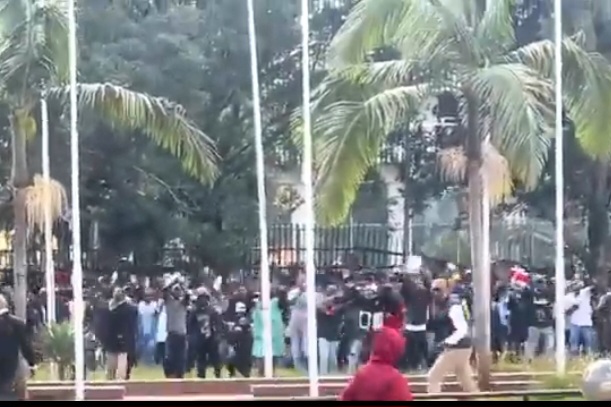
The ultimate orchestrator of Kenya’s historic 2024 youth uprising was not a political kingpin, a foreign intelligence agency, or a deep-pocketed donor—it was a collective, decentralized, digital-first consciousness powered by Generation Z.
Armed with smartphones, AI tools, and systemic fury, Kenya’s youth bypassed traditional political gatekeepers to build an unprecedented, leaderless movement that shook the state apparatus to its core.
For decades, political disruption in East Africa’s largest economy followed a predictable script: an opposition elite called a press conference, mobilized their base along ethnic lines, and negotiated a power-sharing settlement after violent clashes.
The June 2024 anti-Finance Bill protests shattered that template entirely. To understand who “really” moved the crowd, an investigative gaze must look away from smoke-filled backrooms and look instead toward the open-source infrastructure of the internet.
The Digital Command Center
While the government frantically hunted for a central command to neutralize, the operational engine of the movement was scattered across millions of touchpoints on TikTok, X (formerly Twitter), and WhatsApp.
| Platform | Tactical Operational Purpose |
| TikTok | Broad emotional storytelling & audio-visual distribution |
| X (Twitter) | Real-time spaces, coordination, & tracking of political targets |
| Hyper-local, encrypted cell-level logistics & resource deployment | |
| ChatGPT | Translation of complex tax code into everyday local languages |
Instead of a singular commander, the crowd was moved by a network of micro-influencers and decentralized digital actors:
- The Translators: Young policy enthusiasts leveraged OpenAI’s ChatGPT to break down the dense jargon of the Finance Bill 2024 into simple terms, detailing how the proposed 16% VAT on bread and eco-levies on sanitary products would directly hit consumer pockets.
- The Amplifiers: Well-known digital personalities—such as fitness influencer Amerix—and everyday content creators published lists containing the personal phone numbers of Members of Parliament (MPs). This crowdsourced pressure chamber flooded politicians’ devices with thousands of direct WhatsApp messages and SMS demands to reject the bill.
The “Foreign Funding” Smoke Screen
Cornered by the sheer velocity of the protests, President William Ruto’s administration scrambled to find a conventional adversary. In July 2024, the state pointed fingers directly at the U.S.-based Ford Foundation, alleging that it pumped $5.78 million into 16 local civil society organizations to foster anarchy and fund anti-government mobilization.
However, investigative accountability efforts quickly exposed these claims as a political deflection. Civil society organizations, including The Kenya Human Rights Commission and Transparency International, fiercely rejected the accusations as baseless scapegoating. They clarified that their grants were strictly designated for transparent democratic governance programs. Ironically, it emerged that the President’s own First Lady’s charity, the Joyful Women Organization, had historically been a beneficiary of Ford Foundation funding.
The “hidden money” moving the genuine Gen Z crowds actually came from within: decentralized M-Pesa crowdfunding campaigns raised millions of shillings directly from citizens to cover emergency medical bills, purchase water for protesters, and secure legal bail for those arrested by security forces.
The State’s Shadow Tactics and Infiltration
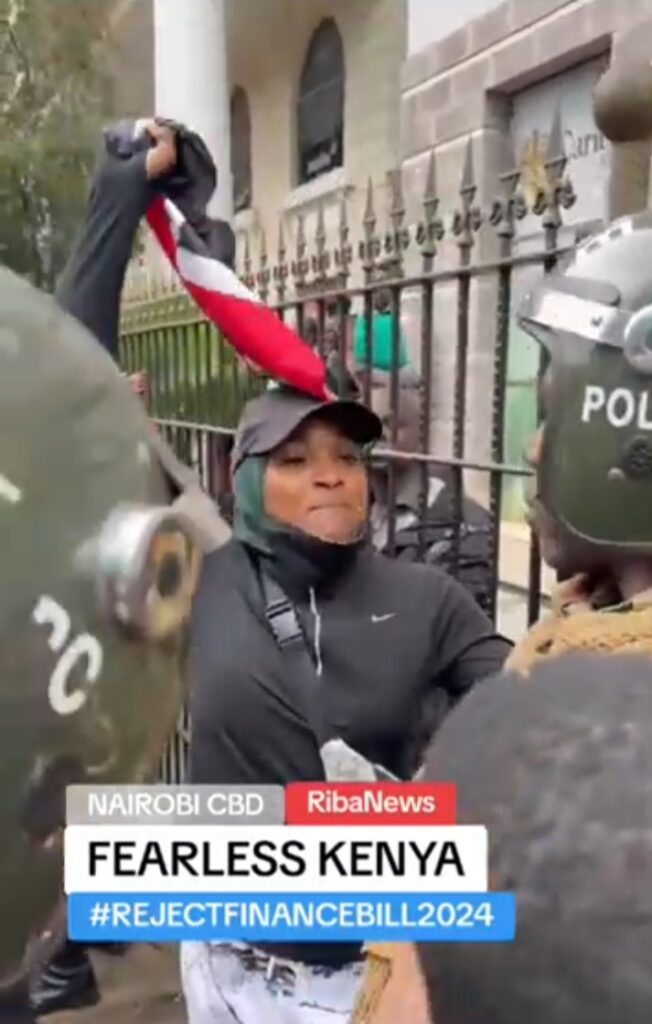
“Police used excessive force to stop the young people from demanding the truth.”
As the movement gained ground, the real covert operations were deployed not by the protesters, but by state security apparatuses trying to crack the code of a leaderless movement.
According to investigations by the Kenya National Commission on Human Rights, when public narrative framing failed, security agents resorted to chilling, state-led abductions. Masked, plainclothes officers snatched key digital voices, creators, and activists from the streets in broad daylight, holding them incommunicado to interrogate them on who was “paying” them.
Simultaneously, political actors attempted to re-engineer the unrest. Intelligence reports and investigative features showed that while the initial waves of #RejectFinanceBill2024 were strictly peaceful, organic, and issues-driven, subsequent destructive property damage was heavily exacerbated by the state’s deployment of criminal goons hired to delegitimize the genuine youth struggle.
The True Architecture of the Crowd
Ultimately, the 2024 Kenyan protests proved that when economic grievances cross a critical threshold, networked solidarity replaces structural hierarchy. The crowd was moved by:
- A “Tribeless” Identity: Bypassing the deep-seated ethnic voting blocs that older generations relied upon to divide the electorate.
- Hyper-Inflation and Joblessness: Overwhelming economic desperation from a generation that felt completely left out of President Ruto’s “bottom-up” economic agenda.
- Digital Martyrs: The memory of peers like Rex Masai and Denzel Omondi, whose deaths under police brutality transformed a fiscal policy debate into a permanent moral awakening.
Kenya’s 2024 revolution was not puppet-mastered from the shadows. It was choreographed in the open light of digital platforms, executed by a fearless generation, and orchestrated by the raw realities of economic survival.