POLITICS: THE RACE FOR STATE HOUSE:
KIPNGETICH
As the 2027 presidential election draws closer, Kenya’s political heavyweights are burning the midnight oil, unleashing an arsenal of strategies, mobilizing resources and leaving nothing to chance in their high-stakes dash to State House.
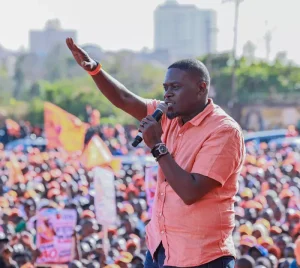
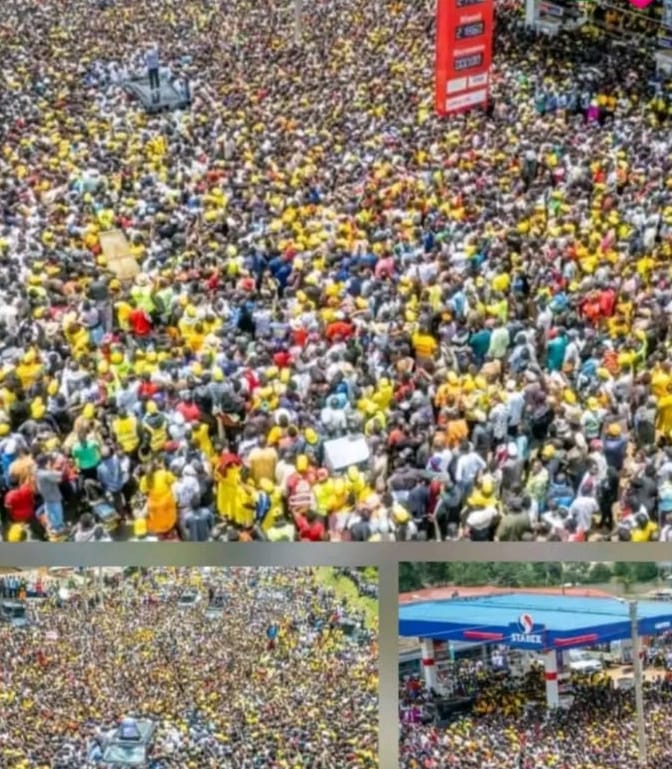
From closed-door meetings in Nairobi hotels to thunderous rallies in the grassroots, the country’s most seasoned politicians are laying the groundwork for what political pundits are already describing as the mother of all presidential elections ever held on Kenyan soil.
Unlike previous contests, this race is shedding the familiar cloak of tribal arithmetic.
At the center of the national conversation is no longer who comes from where, but who can fix what: economic recovery, the biting cost of living, runaway unemployment and the place of the restless young population, far from the tribal bigotry that has bogged down the nation for decades.
“We are tired of tribal politics. I will vote for whoever has a real plan for jobs and cheap unga. We are many and we are watching,” said Brian Otieno, 24, a boda boda rider in Nairobi’s Eastland. His voice, raw and unfiltered, captures the mood of nearly 15 million young Kenyans who will be first-time or second-time voters
For the leading lights, the assignment has changed. It is no longer about wooing and winning votes with slogans, but about winning public trust and confidence, strengthening political bases, and putting on a brave face that they indeed offer a path forward.
Great Realignment
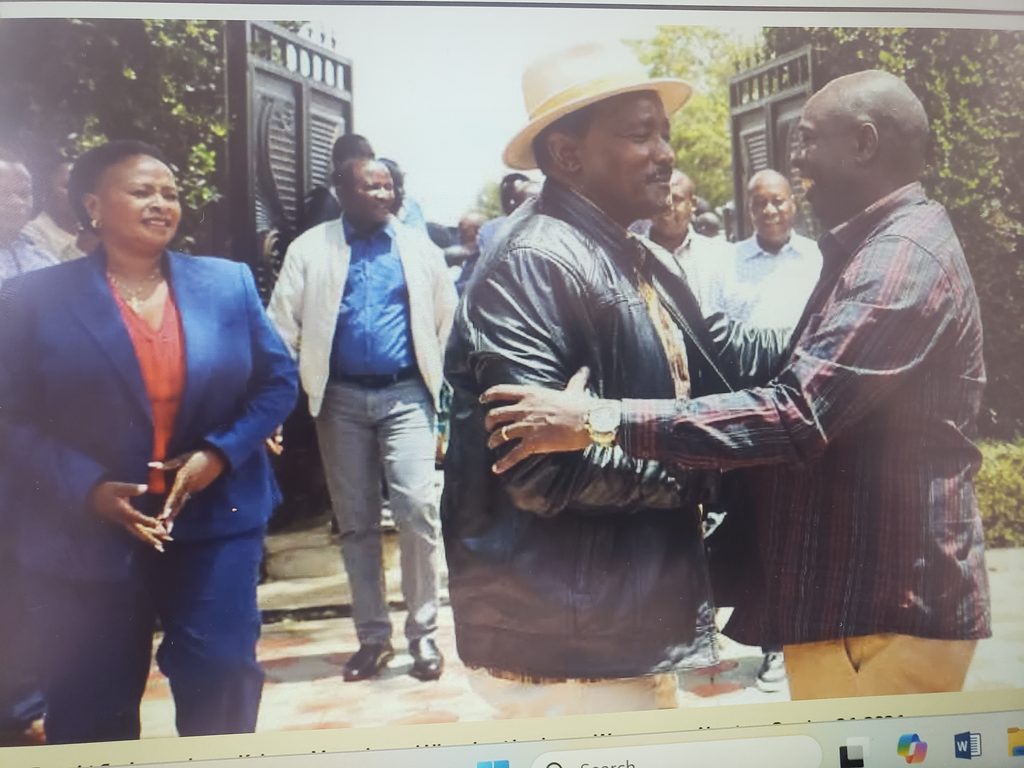
Today’s calculations demand more than boardroom deals. Players need strong grassroots networks and the blessing of regional kingpins – influential leaders who can deliver blocs.
Political alliances in Kenya politics is not new with the famous 2002 opposition alliance tabbed NARC forming grand coalition to oust the independent party KANU from office, the next year polls would not different that is likely tilt the outcome of the polls.
At the heart of this realignment are two distinct camps.
On one side is the incumbent, President William Ruto and his Kenya Kwanza allies, who face an uphill task. The President must retain his traditional support bases in the Rift Valley and parts of Mt Kenya and Western, while simultaneously gaining significant ground in regions that voted overwhelmingly against him in 2022, including Nyanza, Lower Eastern and Nairobi.
“Our focus is not politics, it is delivery. We have stabilized the economy, tamed inflation and created jobs through affordable housing and the digital superhighway. By 2027, Kenyans will judge us by work done, not words spoken,” President Ruto said in a recent address in Nairobi.
State House insiders say his last line of defense will be his ability to walk the talk on his 2022 manifesto – to create employment, address the economic meltdown and demonstrate that the pain of taxes and levies was worth it. On the other side, the opposition is staring at a familiar acid test: unity.
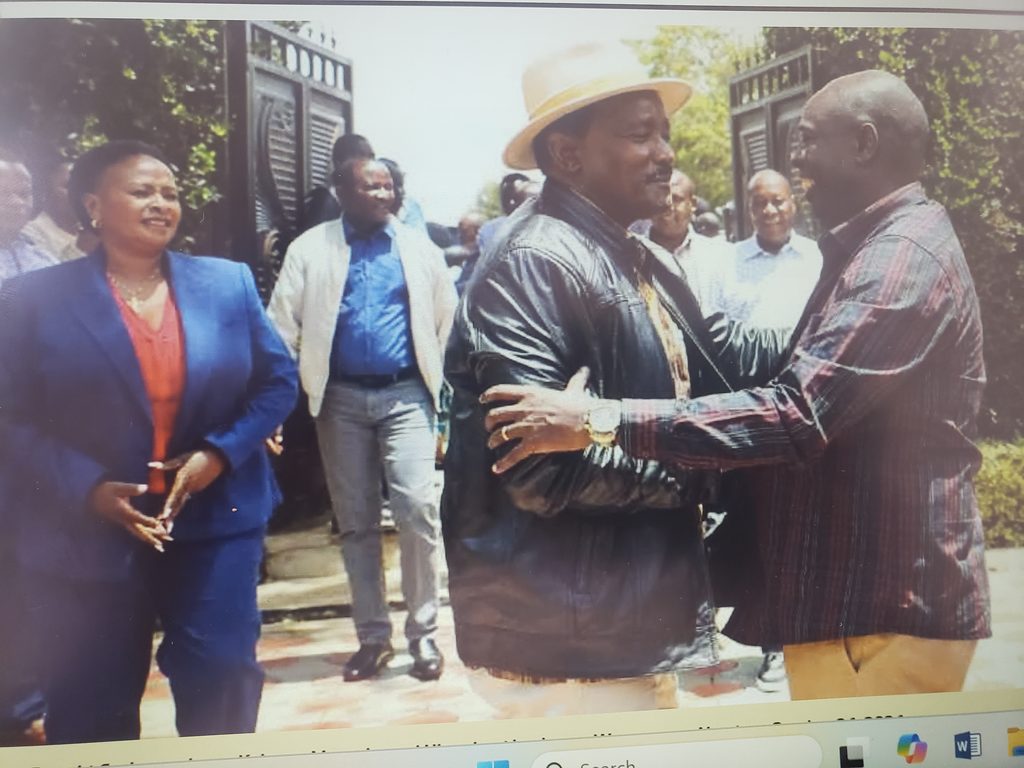
Former Deputy President Rigathi Gachagua, who has retreated to the mountain to consolidate his base, and Wiper leader Kalonzo Musyoka, who commands the lower Eastern bloc, are among prominent leaders trying to build a united alternative.”
I am listening to the ground. The people of Mt Kenya and Kenyans at large are demanding an alternative that respects them and protects their livelihoods. When the time comes, I will make my position known,” Gachagua told The Nation in Nyeri last week. Cooperation could strengthen their influence, but competing ambitions and differences in strategy may complicate the dream of a common f…