TALANTA STADIUM: KENYA’S NEW SPORTING CATHEDRAL SET TO PUT THE NATION ON THE GLOBAL MAP
A landmark sporting venue, high-profile international fixtures and the 2027 Africa Cup of Nations could give Kenya a powerful platform for tourism, jobs, investment and sporting development.
NAIROBI, KENYA — As Kenya prepares to welcome some of the biggest names in world football, a new landmark is taking shape at Talanta Sports City. The stadium, officially named Raila Odinga International Stadium, is more than a large sporting arena. With a planned capacity of 60,000 spectators, it is intended to become a national stage for major sporting events, international entertainment and the development of local talent.
Its significance will be tested almost immediately. A friendly match between German giants Bayern Munich and Dutch club Ajax is scheduled for 5 January 2027 as part of the stadium’s planned opening. Later in the year, Kenya will join Uganda and Tanzania in co-hosting the Africa Cup of Nations (AFCON) PAMOJA 2027, scheduled for 19 June to 17 July. The tournament will be the first AFCON hosted by three countries.
These events offer Kenya an opportunity to demonstrate that it can host world-class sport while turning the attention of international fans, broadcasters and visitors into lasting benefits for the country.
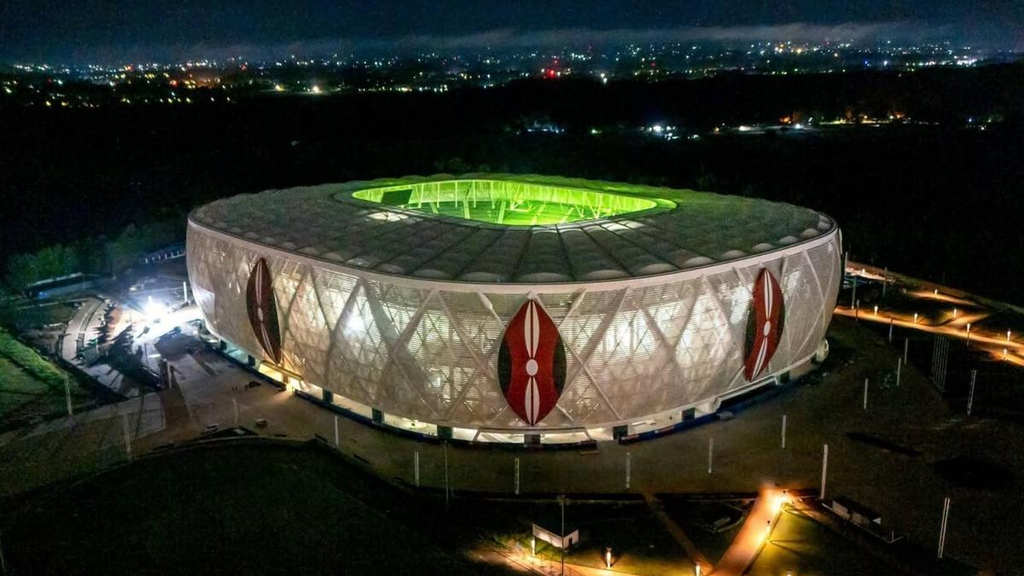
The recently constructed Talanta Stadium lights up at night
A stage for global football The Bayern Munich–Ajax friendly is expected to attract attention well beyond Kenya’s borders. Both clubs have large international followings, and their visit would provide a high-profile test of the stadium and the wider event-hosting system.
A successful match requires much more than a good playing surface. Ticketing systems, security arrangements, crowd control, transport, emergency response, media facilities and broadcasting operations must work together. The friendly therefore offers organisers an important opportunity to test these systems ahead of the demands of AFCON.
For Kenyan fans, the match also presents a rare chance to watch two internationally recognised clubs compete on home soil. For the country, it is an opportunity to showcase its hospitality, facilities and organisational capacity to a global audience.
AFCON 2027: an opportunity for the nation The 2027 Africa Cup of Nations is likely to bring an even greater level of attention. As co-hosts, Kenya, Uganda and Tanzania will share the responsibility of staging one of Africa’s leading sporting competitions. Matches will bring teams, officials, supporters, journalists, sponsors and football administrators from across the continent and beyond.
For Kenya, the tournament could generate business for hotels, restaurants, transport operators, tour companies, retailers and other service providers. Visitors may spend money on accommodation, food, local transport, shopping and excursions, creating opportunities for both established businesses and small enterprises.
The benefits could extend beyond Nairobi. Supporters and visitors may travel to other parts of the country before or after matches, creating opportunities to promote Kenya’s wildlife, beaches, cultural heritage and other tourism attractions. If well coordinated, football can become a gateway to a broader experience of the country.
Jobs, enterprise and investment The construction, preparation and operation of a major stadium can support employment across several sectors. Opportunities include engineering, construction, maintenance, cleaning, catering, security, event management, technology, transport and media production. Major matches can also create temporary work for vendors, guides, hospitality workers and logistics providers.
Local businesses stand to benefit when procurement and supply chains are opened to Kenyan enterprises. Food suppliers, printers, uniform makers, equipment providers, creative professionals and technology firms can all play a role in supporting major events. The greatest national benefit will come when local firms are able to compete for contracts and build experience that continues after the final whistle.
International fixtures can also improve Kenya’s profile as a destination for sports investment, sponsorship, conferences and other events. A stadium that is professionally managed and consistently used can help attract promoters and partners who might otherwise look to more established sporting markets.
A boost for Kenyan sport and talent A modern stadium can provide an important platform for Kenyan athletes and sports organisations. Football clubs, national teams, schools, academies and community programmes may benefit from access to better facilities and opportunities to learn from international standards of competition and event organisation.
The value of the venue should not be measured only by the number of international matches it hosts. Its long-term contribution will depend on whether it supports regular local competitions, youth development, women’s football, coaching, officiating and sports administration. Kenyan players and officials should be able to benefit from the facilities and expertise that major events bring into the country.
The stadium and its associated facilities may also support work in sports science, broadcasting, event technology and other creative and technical fields. These areas can help build a wider sports industry, giving young people pathways into careers beyond playing professionally.
Infrastructure and national image Preparing for major international events can encourage improvements in roads, public transport, communication networks, public spaces and visitor services. Better connections to the stadium would make it easier for spectators to attend events and could leave useful infrastructure for residents long after the tournaments are over.
The stadium also carries symbolic value. Hosting leading clubs and a continental championship gives Kenya a chance to present itself as a country capable of delivering complex international events. A well-run tournament can strengthen national pride and improve the country’s reputation among visitors, investors and sporting bodies.
The legacy will depend on delivery The opportunities are significant, but they are not automatic. Parliamentary inspection reporting in October 2026 highlighted that work was still required on technical, accessibility and operational matters, while transport and crowd-management arrangements remained important considerations. These issues underline the need for thorough preparation before large crowds arrive.
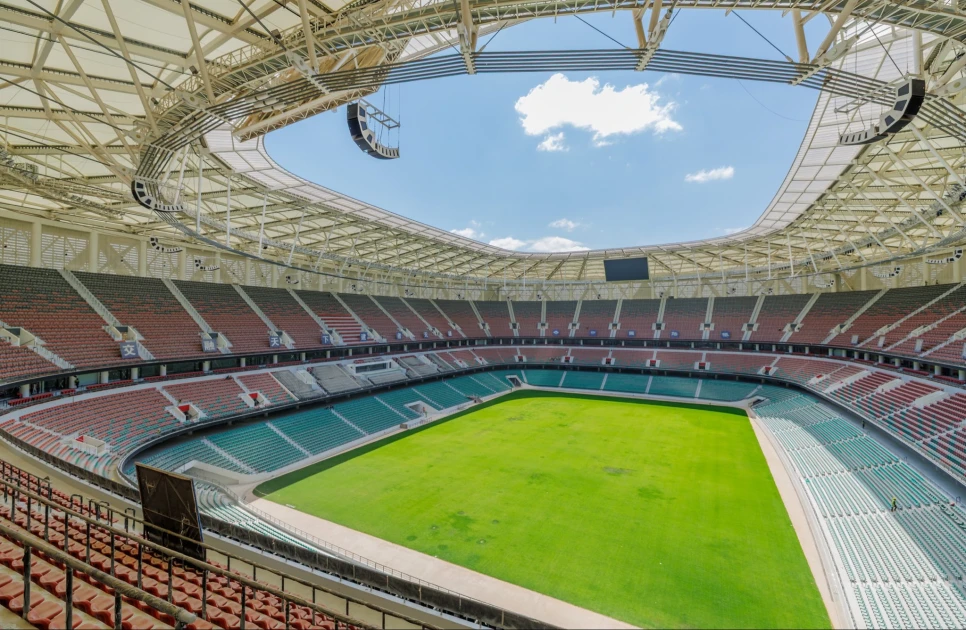
A look at the interior of Talanta Stadium
Safe and convenient access must be a priority. Organisers will need clear plans for public transport, drop-off and pick-up points, pedestrian movement, parking, emergency access and traffic management. The stadium must also be accessible to persons with disabilities, with reliable facilities and services for all spectators.
Beyond the opening events, Kenya will need a realistic plan to maintain and operate the venue. International-standard stadiums are expensive to run. Regular use, transparent management, sound maintenance budgets and public accountability will be essential to prevent the facility from becoming an underused national asset.
There is also a need to ensure that communities and local businesses share in the benefits. Affordable access to events, opportunities for local suppliers, youth programmes and regular domestic fixtures can help make the stadium relevant to more Kenyans than those attending major international matches.
A national opportunity beyond the final whistle The Bayern Munich–Ajax friendly and AFCON PAMOJA 2027 place Talanta Sports City at the centre of an important moment for Kenyan sport. They offer a chance to attract visitors, create business, develop skills, strengthen infrastructure and showcase the country to the world.
But the true measure of success will not be the excitement of opening day or the final score of a tournament. It will be the jobs sustained, businesses strengthened, young people given opportunities, local sport supported and public facilities maintained in the years that follow.
If Kenya combines effective preparation with inclusive planning and responsible long-term management, Raila Odinga International Stadium could become much more than a venue for major matches. It could stand as a lasting investment in the nation’s sporting future and its place on the international stage.