More than mud and memories: who will carry the story forward?
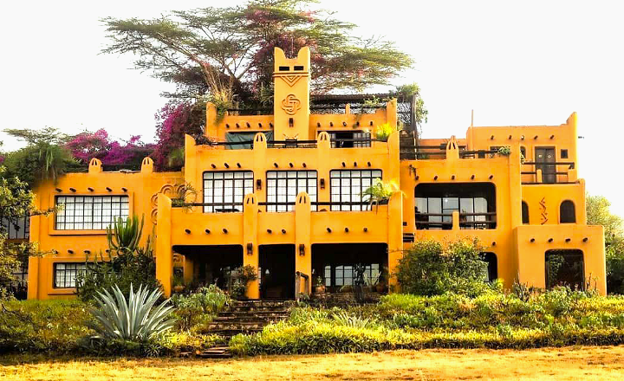
There is something about African Heritage House that makes it difficult to believe you are still in Nairobi.
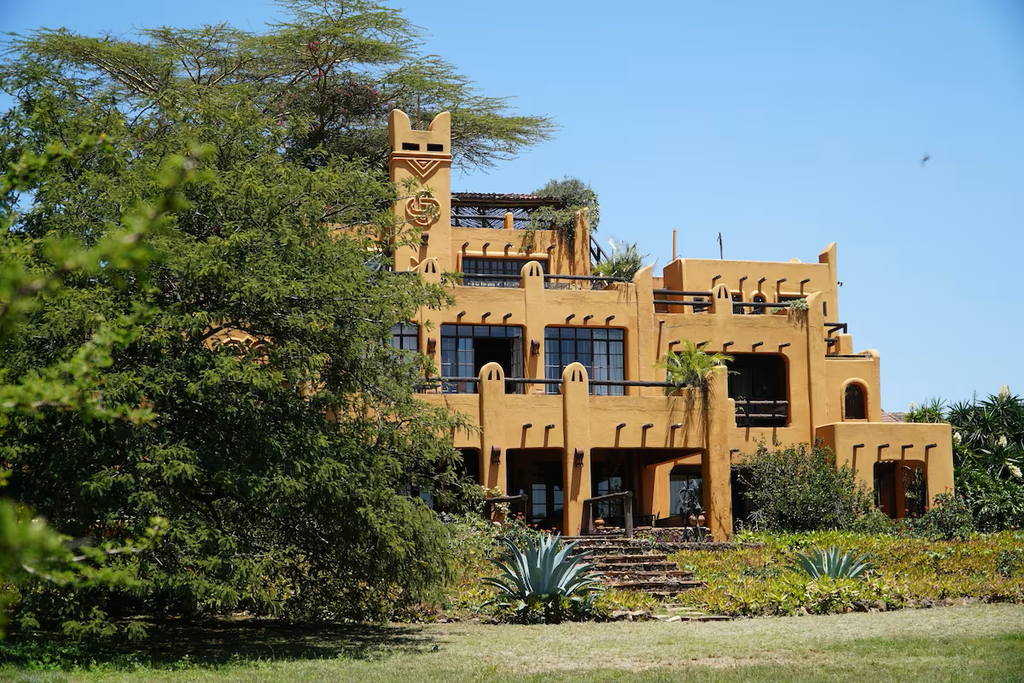
Beyond the busy Mombasa Road and the movement of vehicles stands a building that seems to have grown out of the earth itself. Its earthy walls, arches and intricate decorations rise from the landscape, overlooking Nairobi National Park.
But African Heritage House is more than an unusual piece of architecture.
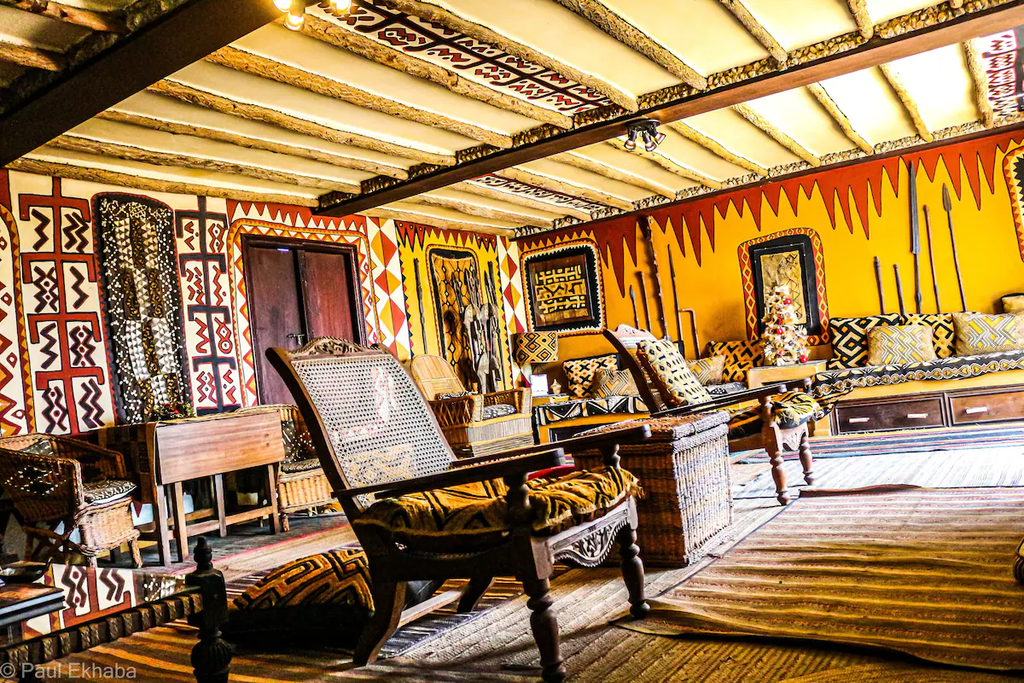
Inside are textiles, jewellery, furniture, sculptures and other works collected from different parts of Africa. Together, they tell stories of creativity, craftsmanship, identity and a continent whose history is often preserved through objects.
Yet there is another story emerging from the house today.
It is not simply about what has been preserved. It is about what happens next to that heritage.
A vision built from AfricaAfrican Heritage House was created by the late Alan Donovan, an American-born art collector and cultural promoter who made Kenya his home.
Donovan arrived in Africa in 1967 and travelled extensively across the continent, developing an appreciation for its art, architecture and material culture. His journey eventually brought him to Kenya, where he met Joseph Murumbi, Kenya’s former Vice President and a passionate collector of African art.
Together with Murumbi and his wife, Sheila, Donovan helped establish African Heritage in 1972. The organisation grew into a major cultural enterprise promoting African art, fashion, jewellery, music and craftsmanship.
The house came later.Inspired by architectural traditions he encountered across Africa; Donovan created a home that would itself become part of the collection. Influences from different parts of the continent can be seen in its architecture, while the interiors contain African furnishings, textiles, ornaments and artworks.
The story of African Heritage is not one that begins with the house. In an audio recording lasting more than an hour, Donovan takes listeners back to its beginnings, opening with the words: “The journey of African Heritage starts from…”
His voice offers more than a historical account. It provides a personal connection to the vision, the people and the experiences behind a collection that continues to tell Africa’s story.
The sheer scale of the collection becomes even more fascinating when viewed through the eyes of those who guide visitors around the house.
As one guide explains, “You would be shocked by the artefacts this house carries, which Alan collected over time and recorded all in this Compact Disc.”
The recording gives visitors an opportunity to connect the objects around them to the stories and experiences of the man who collected them.
The result is unusual. The building is not simply a container for African heritage. The building itself is part of the story.
When a home becomes a legacy

For years, Donovan was more than the person behind African Heritage House. He was also its storyteller.
His experiences and knowledge were woven into the objects and spaces around him. Visitors could encounter not only an artefact but also the stories and experiences of the man who had spent decades collecting and promoting African culture.
But Donovan is no longer there to tell those stories.
He died in December 2021 at the age of 83.
His death marked the passing of an individual, but it also brought a question faced by many cultural institutions around the world:
What happens when the person who carried the story is no longer there to tell it?
African Heritage House now exists in a different era.
Its challenge is no longer simply preserving what Donovan created. It is also keeping that heritage meaningful to people who never knew him and to a younger generation experiencing culture in an increasingly digital and fast-changing world.
Can the past speak to the young?
For a young Kenyan surrounded by smartphones, social media and constantly changing trends, a collection of traditional objects can easily seem distant.
Yet, for visitors who take time to explore the collection, the experience can be quite the opposite.
One visitor was particularly fascinated by the creativity and craftsmanship of earlier generations, expressing amazement at how much people could create using the skills and resources available to them.
“It’s amazing to see how creative people were back then. Some of the things they made are incredible, especially when you think about the tools and materials they had at the time,” he remarked.
His reaction captures something important about heritage: it can inspire curiosity even among people whose everyday experiences are far removed from the generations represented by the collection.
A piece of jewellery can tell a story about craftsmanship and identity. A textile can reveal how communities expressed themselves. A traditional object can offer clues about how people lived, created and solved problems using the resources around them.
Even the house itself makes a statement.
Its architecture draws inspiration from different African traditions and demonstrates how African materials, designs and building knowledge can be transformed into something both functional and artistic.
This is where African Heritage House can speak to a new generation, not only as a place to look at old things, but as a place to understand where African creativity comes from.
That connection is already visible in education. Students from the University of Nairobi’s Department of Art and Design, for example, visited African Heritage House on a field trip in 2024 to engage with African art, craft and design.
For such students, heritage is not simply something from the past. It can become inspiration for what comes next.
Keeping the story alive
Preserving heritage, however, involves more than maintaining buildings and displaying objects.
It means preserving knowledge. It means ensuring that the stories attached to those objects are documented, understood and passed on. It also means giving people a reason to keep walking through the doors.
African Heritage House continues to operate as a cultural destination, offering visitors tours, meals, events and accommodation. Its collection has also reached audiences beyond its physical walls through digital platforms such as Google Arts & Culture.
That digital presence creates another opportunity. Someone who cannot visit the house physically can still encounter aspects of its collection online.
But seeing an object is not necessarily the same as understanding it.
A photograph can show a piece of African art. A story can explain why it matters.
That distinction may become increasingly important as the house looks towards the future.
Beyond one man’s legacy
It would be easy to tell African Heritage House as the story of one man who fell in love with Africa. But its history is bigger than Donovan.
It includes Joseph Murumbi and Sheila Murumbi. It includes the African artists and craftspeople whose work found a platform through African Heritage. It includes the communities whose traditions inspired the objects and designs preserved within the house.
The house has also been associated with pioneering East African artists including Francis Nnaggenda, Magdalene Odundo, Elkana Ongesa and Jak Katarikawe, among others.
Their stories remind us that African heritage is not frozen in time. It is created, interpreted and reinterpreted by successive generations.
That may be why the future of African Heritage House matters beyond its walls.
It raises a broader question about Kenya and Africa: How do we preserve our cultural memory while allowing it to evolve?
The next chapter
Standing outside African Heritage House, it is easy to become distracted by the building itself.
The arches invite the eye. The earthy colours blend into the surrounding landscape. The intricate details demand attention.
But perhaps the most valuable part of the house cannot be photographed.
It is the knowledge contained within it.
A building can be maintained. An object can be restored. A photograph can be digitised.
But heritage survives most meaningfully when its stories continue to be told, questioned and passed from one generation to another.
That may be the real test facing African Heritage House. Not simply whether its walls will remain standing, but whether the people who enter those walls will understand why they matter.
The story began with people such as Donovan and Murumbi, who believed African art and culture deserved to be seen, celebrated and preserved.
But the next chapter cannot be written by them.
It belongs to those who come after.
Perhaps that is the true legacy of African Heritage House, not merely that it has preserved pieces of Africa’s past, but that it leaves future generations with something to inherit.
And one question to answer:
When the storytellers are gone, who will carry the story forward?