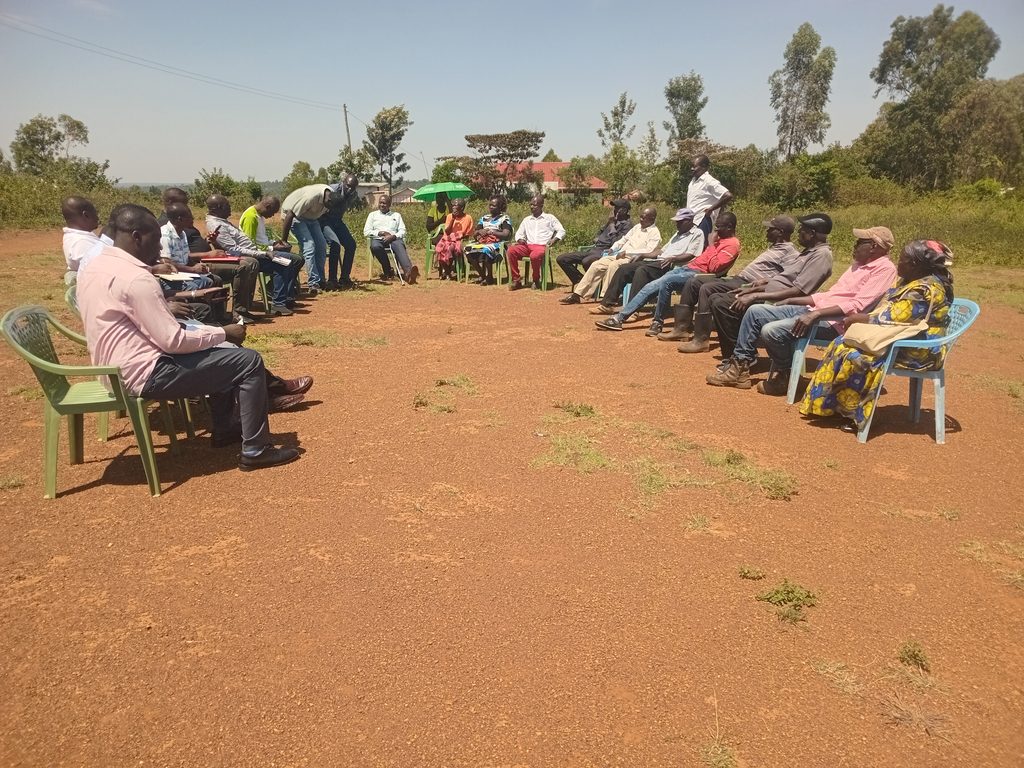
AFTER THE RAID: MERU’S SMOKIE AND EGG VENDORS COUNT THE COST
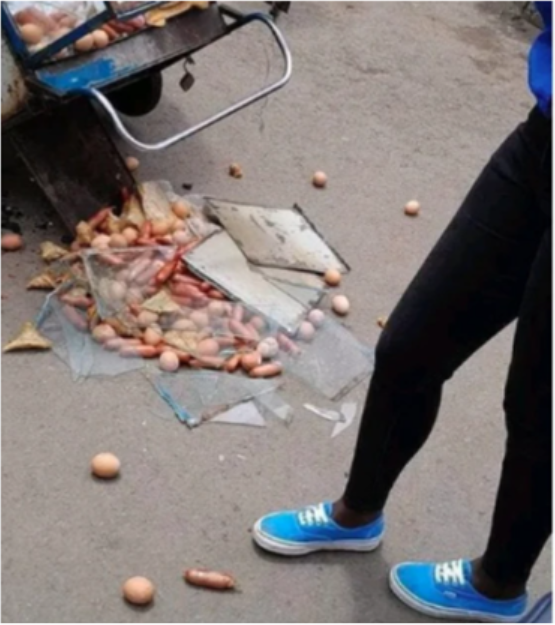
Scenes after a crackdown by kanjos in Meru municipality on August 4th , 2026.
The familiar aroma of boiling eggs and sizzling smokies that usually fills Meru Municipality and Makutano was replaced by anxiety after county enforcement officers, popularly known as Kanjos, raided roadside businesses on August 4th 2026.
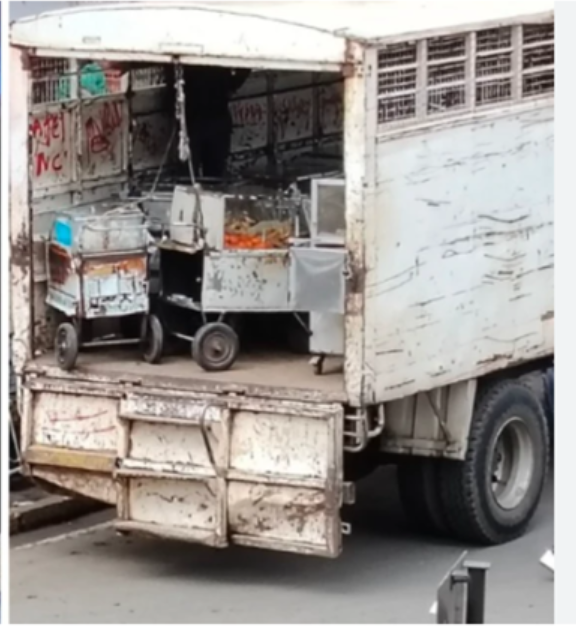
The operation left dozens of vendors counting losses after their trolleys, cooking equipment and merchandise were confiscated. For many, the crackdown meant losing the only source of income they depend on to support their families.
I watched them carry away my trolley with all my stock. That is how I feed my family, says Peter Muriithi, a smokie vendor in Makutano. “Without it, I have to start from zero.
Many traders insist they are willing to comply with county regulations but lack a structured system that allows them to operate legally.
We are not refusing to pay the county, says Mary Nkatha, who sells boiled eggs in gakoromone -Meru town. Give us designated spaces and a clear payment system, and we will gladly pay because we only want to earn an honest living.
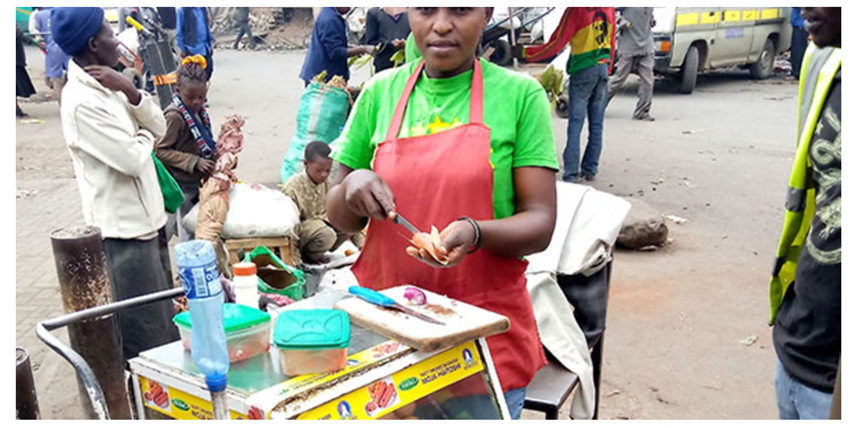
Mary Nkatha has been selling Smokie-Mayai in Lower gakoromone open market – Meru for four years now. PHOTO/KIGEN KIPLIMO
The incident has also reignited debate among residents on how street vending should be managed. While some support the county’s efforts to decongest the town and keep walkways clear, others believe enforcement should be accompanied by practical alternatives for informal traders.
An organized hawking system would benefit everyone, says James Kiambi, a resident. The county would collect revenue, the town would remain orderly, and vendors would work without fear of losing everything overnight.
A digital platform for registering hawkers and allocating designated trading spaces could provide a lasting solution. Similar to parking systems, vendors would pay affordable daily or monthly fees through mobile money or other digital channels, giving the county a reliable source of revenue while promoting transparency and accountability.
Such a system would also help regulate the number of traders in busy areas, reduce congestion, improve sanitation, and create a safer environment for pedestrians and customers. More importantly, it would offer thousands of small-scale traders the security to invest in their businesses without the constant fear of eviction.

Fridah Ngugi attending to customers out side magunas supermarket Makutano meru.
For Meru’s smokie and egg vendors, the events of August 4th were a painful setback. Yet many remain hopeful that future engagement between the county government and informal traders will lead to a solution that balances urban order with the livelihoods of those who depend on the streets to make an honest living.