Equality or Estrangement? The Changing Relationship Between Men and Women
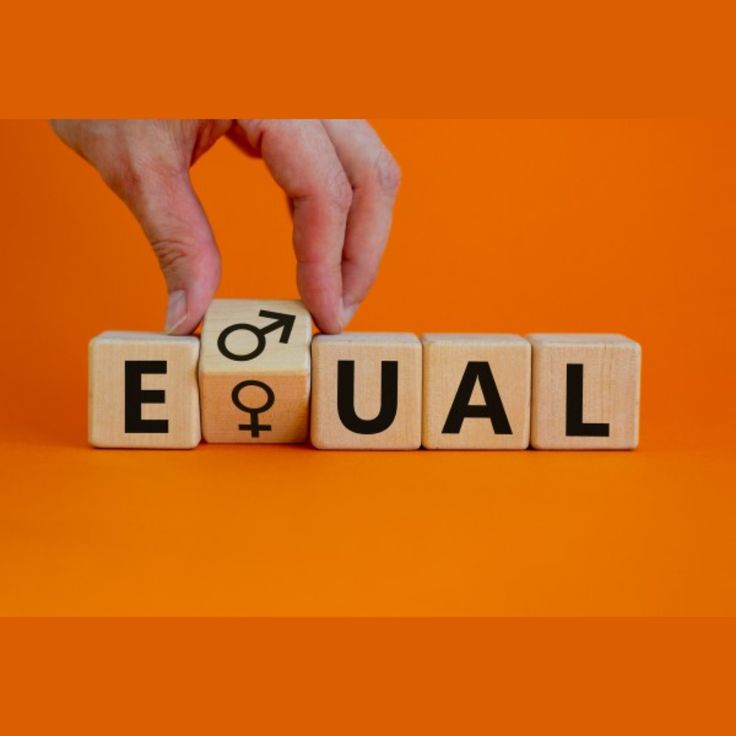
As gender roles evolve and expectations of love continue to change, Kenyan men and women are navigating a new relationship landscape. Are we growing apart, or are we still learning how to understand one another?
When love meets the question of equality
Brian and Aisha (not their real names) had been together for three years. Both were in their late twenties, building careers in Nairobi and imagining a future that included marriage, financial stability and a home of their own. Like many couples, they believed love would teach them how to compromise. But as conversations about marriage became more serious, they discovered that they had different ideas about what it meant to be a good partner.
Brian had grown up believing that a man should provide for the people he loved. To him, providing was more than a financial responsibility; it was an expression of care and commitment.
Aisha had watched her mother sacrifice some of her ambitions to keep the family together. She wanted a relationship in which she could love someone deeply without losing the independence she had worked hard to build.
One evening, while discussing their future expenses, Aisha suggested that they plan their finances together and share responsibilities according to their circumstances. Brian agreed that planning together was important, but he wondered whether his desire to provide would be seen as an outdated expectation. Aisha, meanwhile, worried that her independence might be mistaken for a refusal to be cared for. They were talking about money, but beneath the conversation lay deeper questions about respect, responsibility and identity.

Their dilemma reflects a question worth exploring in modern Kenyan relationships: what happens when two people love each other but have different ideas about the roles they should play?
When the old rules meet new realities
For generations, many Kenyan communities have associated men with provision and authority, while women have often been expected to care for children and manage the home. These expectations vary across communities and families, but they continue to influence how some people understand relationships.
Today, education, employment, urbanization and changing aspirations have created new possibilities for many women. At the same time, men may still face pressure to provide financially, even when unemployment and the rising cost of living make this difficult. These changes can create opportunities for greater equality and shared responsibility. However, they can also create uncertainty when partners have different expectations.
A woman may expect domestic responsibilities to be shared because both partners work full-time. Her partner may have grown up believing that household duties are primarily a woman’s responsibility. Both may value the relationship, yet disagree about how it should function.
Perhaps the difficulty is not simply that the rules have changed. It is that many people are trying to build relationships using expectations they have inherited alongside new values they are still learning to navigate.
Is feminism bringing us closer or pushing us apart?
Few words generate as much debate about modern relationships as feminism.
For some, feminism represents equality, independence and women’s freedom to make decisions about their lives. For others, particularly those encountering it through heated online debates, it has become associated with hostility between men and women or rejection of traditional relationships.
Yet feminism encompasses a range of movements and ideas concerned with women’s equality. It does not prescribe one universal way of dating, sharing expenses or organizing a marriage. A woman can value financial independence and still appreciate a partner who provides. A man can take pride in providing without believing that his financial contribution gives him authority over his partner.
Problems arise when independence is interpreted as rejection, provision becomes a tool for control, or equality turns into a competition over who holds more power.
For Brian, providing is closely connected to feeling valued. For Aisha, having a voice in decisions is closely connected to feeling respected. Both needs can exist within the same relationship, but only if the couple is willing to discuss them.
The challenge is not necessarily choosing between tradition and feminism. It is understanding what each partner expects from love and whether those expectations can coexist.
The pressures behind the arguments
Relationship disagreements do not happen in isolation. For many young Kenyans, financial uncertainty, unemployment and expensive housing influence decisions about dating, marriage and family life.

A study published in the Journal of Marriage and Family in 2018 examined how 74 young people living in Nairobi’s informal settlements understood marriage. Researchers Isabel Pike, Sanyu Mojola and Caroline Kabiru found that financial insecurity influenced young people’s expectations, with some men concerned about supporting a family and some women worried about marriage interfering with education and employment.
One participant described a husband as someone who “knows he is going to provide for her [and] the children.”
The study reflects a particular group, not every young Kenyan. Nevertheless, it illustrates how financial realities can reinforce traditional expectations about masculinity and marriage.
A man who believes that providing defines his value may feel inadequate when he struggles financially. A woman who has invested years in her education may worry about entering a marriage that limits her ambitions.
Neither concern necessarily represents a rejection of love. Sometimes, people want the same future but disagree about what it will require from them.
The influence of the online gender war
Social media has made conversations about relationships, feminism and gender roles more visible. It has also made it easy to reduce complicated experiences to sweeping claims.
A painful breakup becomes proof that all men are unfaithful. A disappointing date becomes evidence that all women are materialistic. A discussion about equality turns into an argument about which gender owes the other more.

These conversations can expose harmful behavior and help people recognize unhealthy patterns. But they can also encourage people to approach new relationships with suspicion.
A man may interpret a woman’s desire for independence as rejection. A woman may interpret a man’s desire to provide as a warning of control. Both may be responding to assumptions shaped by other people’s experiences rather than understanding the individual before them.
The person sitting across from you is not an entire gender. They have their own upbringing, fears, values and hopes.
Perhaps the challenge is learning to distinguish between a legitimate concern about a partner’s behavior and a generalization borrowed from an argument online.
Can equality and tradition coexist?
Equality does not require every couple to divide every responsibility in precisely the same way. Some couples may choose traditional arrangements, while others share expenses according to their incomes or divide domestic work differently.
What matters is whether those arrangements are freely chosen, mutually understood and respectful of both partners.
Tradition can offer identity and continuity. Equality can offer greater freedom and participation. Neither automatically guarantees a healthy relationship.
For Brian and Aisha, the way forward may begin with recognizing that providing and being independent do not have to cancel each other out. They need to discuss what financial responsibility, respect and commitment mean to them instead of assuming that love will automatically resolve their differences.
That does not mean every relationship can be saved. Some people have incompatible values, and no one should be expected to tolerate abuse or controlling behavior in the name of compromise.
However, there is a difference between disagreeing about how a relationship should work and deciding that the other person is the enemy.
Beyond the gender war
Has modern feminism destroyed relationships between men and women? The experiences of some couples may suggest that changing expectations have created tensions they are still learning to navigate. But it would be misleading to blame feminism alone for relationship difficulties.
Kenyan relationships are influenced by many intersecting factors, including economic pressures, family upbringing, cultural traditions, changing opportunities and personal values.
Reducing these complexities to a battle between men and women risks overlooking the people behind the debate.
Brian and Aisha may eventually find a way to reconcile their expectations, or they may discover that their visions of partnership are too different. Their story does not need a perfect ending to raise an important question: can two people build a shared life while allowing each other to remain individuals?
A man can want to feel appreciated without demanding unquestioned authority. A woman can value independence while wanting tenderness, support and commitment. Two people can disagree about their roles without treating each other as enemies.
Perhaps the challenge facing modern relationships is not choosing between independence and commitment, tradition and change, or masculinity and femininity. It is learning how to make room for difference without turning it into a battle.
Before we ask whether men and women are growing apart, perhaps we should ask a quieter question: “are we still listening to one another, or have we become so busy defending what we believe men and women should be that we have forgotten how to understand the people we hope to love?”