The People Behind The Noise
Beyond the graffiti, booming speakers and colourful lights lies a world of hard work, ambition and survival. Meet the people whose lives keep Nairobi’s matatu culture moving.
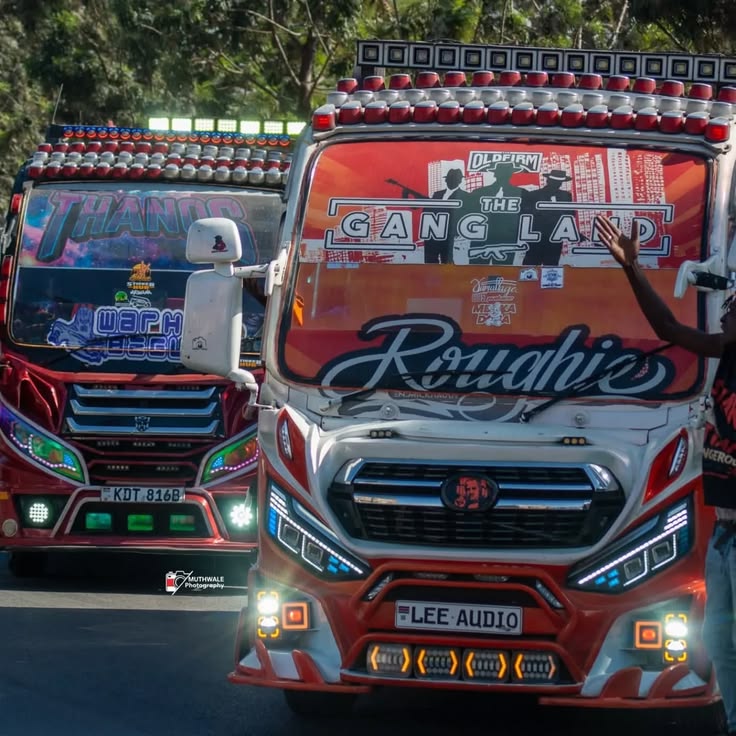
Nairobi’s matatu culture is more than transport; it is a visible part of the city’s identity.
The music announces their arrival before the vehicles come into view. A heavy bassline escapes through powerful speakers, competing with the noise of impatient motorists, street vendors and pedestrians navigating Nairobi’s crowded roads. Then comes the spectacle: brightly painted bodies, elaborate graffiti, flashing lights and custom interiors that make ordinary public transport look like something out of a music video.
For many Nairobi residents, this is a familiar sight. The matatu is part of the city’s identity, a symbol of movement and, sometimes, controversy. It is celebrated for its creativity and criticised for its excesses.
But while passengers admire the artwork, dance to the music or complain about the traffic, there is a different story unfolding behind the spectacle.
It is the story of the people.
The drivers, conductors, mechanics, graffiti artists, DJs and other workers whose daily efforts sustain an industry that carries thousands of people across the city. Their lives rarely receive the same attention as the vehicles they operate.
And perhaps that is where the real story begins.
Before the city wakes up
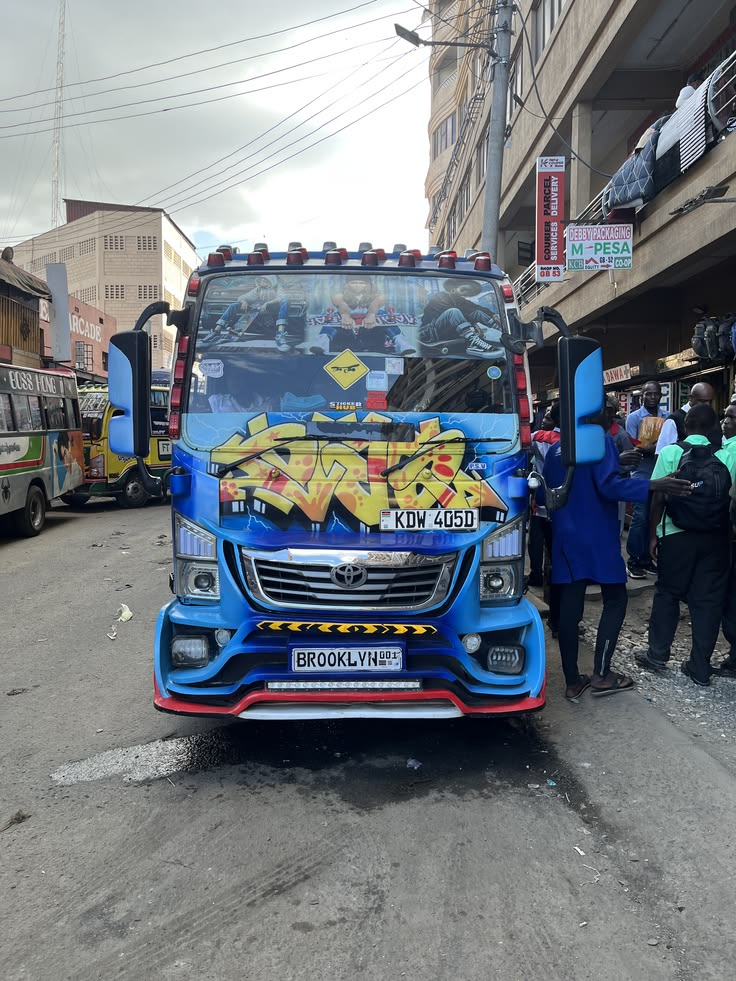
The crew’s work begins before passengers fill the seats.
The day begins long before the city reaches its usual rhythm. At a terminus, a conductor checks the vehicle while another worker wipes the windows. Someone inspects the tyres, checks the interior and ensures the vehicle is ready to carry passengers. The driver takes a moment to inspect the dashboard before settling behind the wheel.
For the crew, a matatu is not simply a vehicle. It is a workplace, a source of income and, in many cases, a responsibility that extends beyond the road.
Consider the experience of an illustrative young conductor, whom we shall call Brian. Like many young people seeking opportunities in Nairobi, Brian represents the struggle to find a reliable source of income in an increasingly competitive economy.
His working day revolves around passengers, destinations, fares and the constant pressure to keep the vehicle moving. There are good days when business is steady and difficult days when expenses seem to consume nearly everything earned.
For someone looking from the outside, it might appear to be an ordinary job. But within the matatu industry, every day comes with its own demands.
The person behind the wheel: “Kigonyi”
Driving a matatu involves more than navigating traffic while carrying responsibility for passengers.
For the driver, the road is both a workplace and a test of patience. Nairobi’s traffic can turn a relatively short journey into hours of frustration. From congested highways to impatient motorists and unpredictable road users, driving a matatu demands more than the ability to operate a vehicle.
There is pressure to maintain schedules, meet daily financial expectations and ensure passengers reach their destinations safely.
The driver must constantly make decisions. When should the vehicle stop? Which route is moving faster? How does one navigate an unexpected traffic jam while maintaining the day’s earnings?
These responsibilities are often invisible to passengers who only see the vehicle arrive at their stage.
Yet behind the steering wheel is someone with personal responsibilities, financial commitments and ambitions that extend beyond the next destination.
For some drivers, the job is a stepping stone towards owning their own vehicles. For others, it is a profession they have spent years building their livelihoods around. Whatever their individual circumstances, their contribution remains central to the city’s transport system.
More than collecting fares
Conductors coordinate passengers, fares and communication throughout each trip.
The conductor’s job is perhaps one of the most visible, yet least understood roles in the matatu ecosystem. From calling out destinations and collecting fares to coordinating passengers and communicating with the driver, conductors operate in an environment that requires constant attention.
Their voices are part of Nairobi’s everyday soundtrack. They call out routes, negotiate with passengers and compete for customers at busy stages.
But beneath the shouting and hurried exchanges is a demanding occupation. A conductor must understand the route, calculate fares, manage disagreements and remain alert throughout the journey.
They interact with people from different backgrounds, personalities and economic circumstances. A single trip can involve a student rushing to class, a parent heading to work, a businessperson carrying goods and a passenger travelling for an important family obligation.
Each passenger has a destination. The conductor has a responsibility to help get them there.
For young people entering the industry, the work can provide an opportunity to earn an income and acquire practical skills. However, irregular working hours, uncertain earnings and demanding working conditions can make the occupation challenging.
It is a reminder that the people who keep the city moving are also navigating their own journeys.
When transport becomes an identity
Customised artwork, lighting and music give some matatus a distinctive identity.
There is another reason why Nairobi’s matatu culture attracts attention: its creativity. Walk through different parts of the city and you will encounter vehicles carrying elaborate artwork, references to popular musicians, sports personalities, films and elements of contemporary youth culture.
Some are designed to reflect popular trends, while others develop identities that make them instantly recognisable to passengers and enthusiasts.
Inside certain nganyas, music, lighting and entertainment systems transform the passenger experience. For young people, these vehicles can represent a form of expression and belonging. They reflect a generation that embraces music, fashion, technology and visual creativity.
But this culture also creates opportunities for people whose skills might otherwise go unnoticed. Artists contribute their designs. DJs curate music. Technicians install entertainment systems. Mechanics maintain the vehicles, while other creative professionals contribute to their appearance and identity.
In this sense, the matatu is not just a vehicle. It is a moving platform where different talents and occupations meet. The person painting the graffiti may never collect a fare. The mechanic may never drive the vehicle. Yet their contributions become part of the same identity.
And that is what makes the industry more complex than it appears from the roadside.
The price of keeping the wheels turning
Building, designing, repairs and maintenance are part of the continuing cost of operating a matatu.
Behind the entertainment and colourful appearances lies an industry with considerable financial demands. Fuel, repairs, servicing, insurance, licensing and other operating expenses all contribute to the cost of keeping a matatu on the road.
For those working within the industry, the pressure to earn is constant. A vehicle that spends the day at a garage is not generating income. A mechanical problem can disrupt an entire working schedule, while increased operating expenses can affect the earnings of everyone depending on the vehicle.
For drivers and conductors, the situation can be equally complicated. Their income may fluctuate depending on passenger numbers, traffic conditions, working arrangements and the financial expectations attached to the vehicle.
Yet life does not pause when the vehicle stops. There are families to support, rent to pay, school fees to consider and personal ambitions to pursue.
For a young worker, the day’s earnings may represent more than personal spending money. They may contribute to the wellbeing of an entire household.
This is the less glamorous side of the matatu culture: the financial realities that exist behind the music and entertainment. The industry offers opportunities, but those opportunities come with uncertainty and responsibility.
Beyond the matatu stage
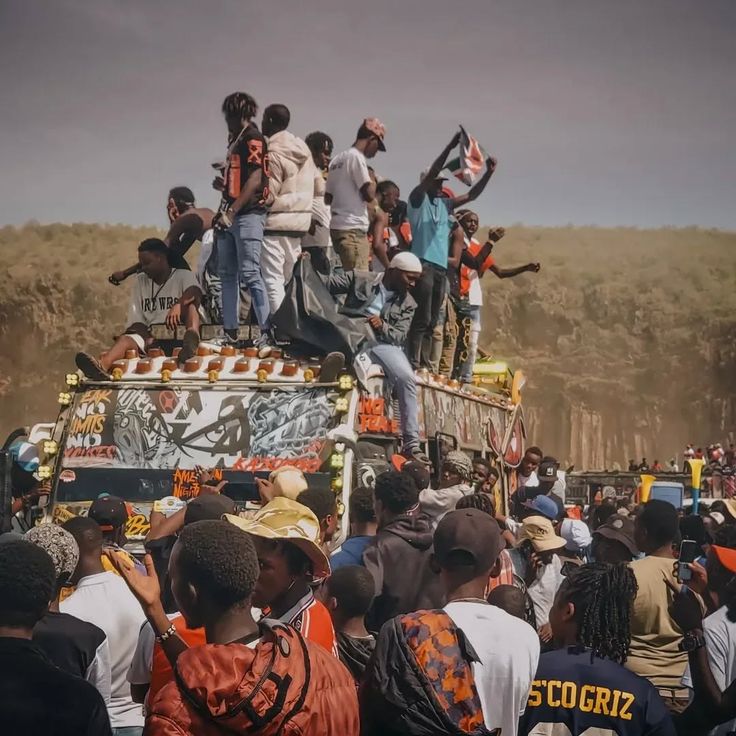
It is easy to associate matatu workers with the vehicles they operate. A driver becomes the person behind the wheel. A conductor becomes the person shouting destinations. An artist becomes the person responsible for the graffiti.
But these descriptions capture only a fraction of who they are. They are young parents, siblings, aspiring entrepreneurs, musicians, students and individuals with ambitions that may have little to do with public transport.
Some hope to establish businesses. Others want to own their own vehicles, pursue creative careers or find opportunities in entirely different industries.
Their stories challenge the assumption that working in the matatu industry defines a person’s future. For some, it is a long-term career. For others, it is a temporary source of income while they work towards something different.
Either way, their aspirations deserve recognition.
A culture that carries a city
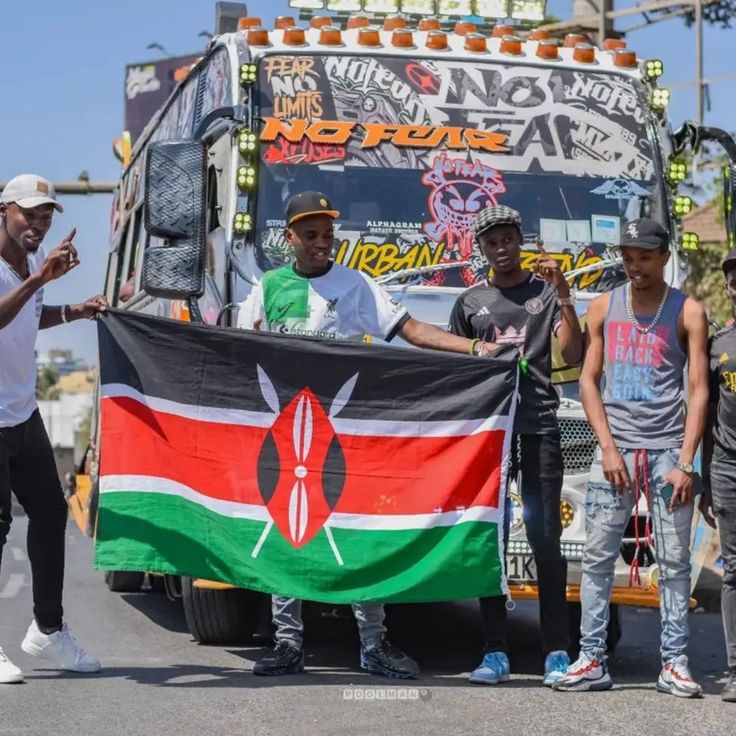
The matatu ecosystem connects passengers, workers, creatives and businesses.
Nairobi’s matatu culture is not without its challenges. Concerns surrounding road safety, passenger treatment, working conditions, traffic discipline and regulatory compliance remain important conversations.
Celebrating the creativity of the industry should not mean overlooking these realities. Rather, understanding the industry requires looking at both sides: the cultural influence it has created and the responsibilities that come with providing public transport.
The matatu is an important part of everyday life for thousands of Nairobi residents. It connects neighbourhoods, supports livelihoods and provides opportunities for people working in different sectors.
But perhaps its greatest story is not written on its colourful exterior. It is written in the lives of the people who wake up every morning, prepare their vehicles, navigate the city’s roads and return home carrying the experiences of another working day.
The next time a brightly painted nganya passes by, perhaps there is more to notice than its music, lights or graffiti.
There is a driver with responsibilities, a conductor with ambitions, an artist with talent and a crew whose livelihoods depend on keeping the wheels turning.
“Because behind every matatu is a human story. And behind the noise are people simply trying to make a living, find their place and move forward.”