3 Mothers Who Refuse to Abandon Their Dreams

A woman works from home as she spends time with her son as well. Photo courtesy AI
It is said the early bird catches the worm, and for most working mothers, this means waking up in the wee hours of the morning, preparing breakfast, and getting kids ready for school before finally leaving for work. By the time they settle at their office desks, they’ve done a day’s worth of work at home.
For working mothers, balancing motherhood, careers, and personal lives is like negotiating between responsibilities, ambitions, and a desire to not lose themselves along the way. In moments of solitude, most are confronted with the big dollar question of whether a woman can successfully build a career, raise a family, and still be themselves, without any area suffering neglect?
More often than not, the society celebrates women who appear to have it all figured out. We applaud their achievements and resilience with little to not focus being highlighted on the guilt, sacrifices, and compromises they’ve made. We catch up with a few mothers who open up on the cost of motherhood and the price they have paid at times to keep their dreams alive.
It’s Saturday at 6:30 pm. Teresa Wasonga, a registered nurse working in a private hospital in Kikuyu, Kiambu county, finally has a few minutes to talk to me in between her tight work schedule. She narrates that as a mother of two, she wakes up by 6 am, makes breakfast for the family, prepare her son for school, prepare essential things for her husband, and then get ready for work.
“I leave for work at around 8: 30 am. If I’m being honest, by then I’m always already tired,” she says as she chuckles softly. “My work schedule is tight and I’m constantly on my feet serving patients and handling emergencies. But I still have to find time to call back home and check on how my youngest child is doing. I also need to constantly update my house manager on various tasks I need her to handle during the day.”
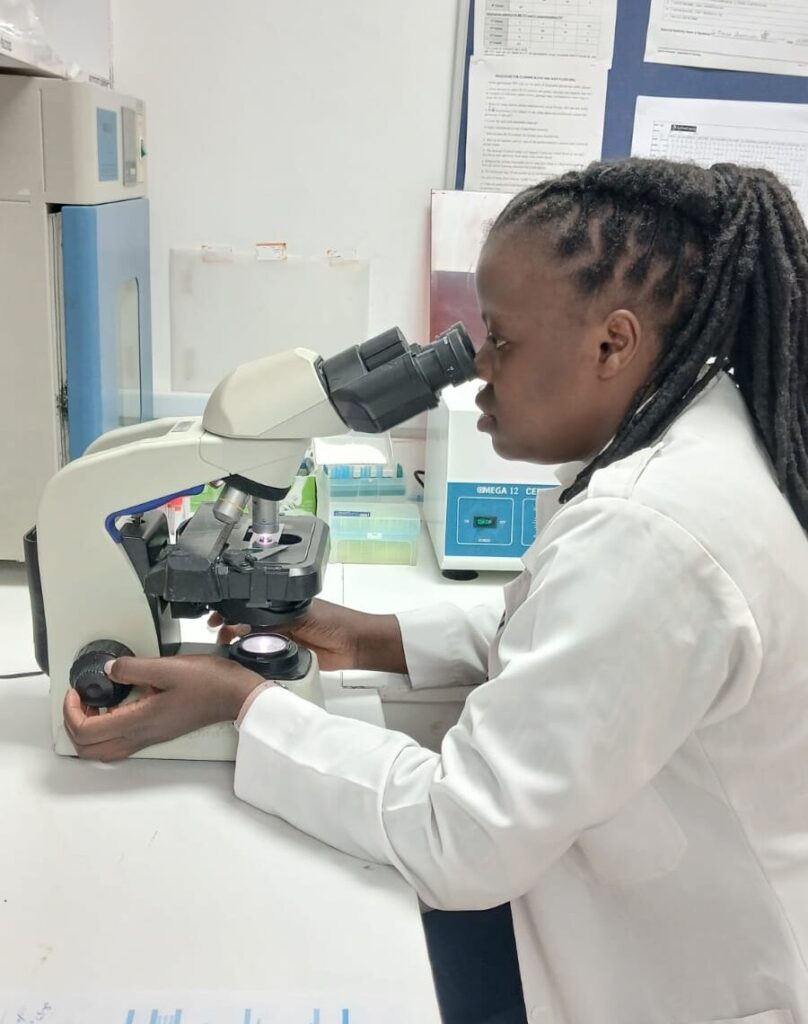
For Teresa, clocking out of work doesn’t mean calling it a day. After getting home at around 8:30 pm, on lucky days, she has to check her son’s homework.
She admits her biggest challenge is finding a balance between motherhood her career, and personal dreams.
“All the three areas need time, energy, and commitment. I want to be present for my children at all times but I also want to grow professionally and take care of myself. At times I’m overwhelmed and I find myself focusing more on my family and career at the expense of my personal needs.” She says with a sigh as the office phone rings, demanding her attention. She speaks to the caller for a few minutes and apologizes profusely requesting that we continue the interview later.
From where I’m seated, I can see people rushing into the clinic and someone being wheeled into the emergency section. The unfolding scene is a reminder of how unpredictable Teresa’s work shifts are. I can tell her work day won’t end at 8 pm as she’d earlier expected and she gives me a knowing look before rushing out.
Her story isn’t any different from Faith Odhiambo’s who confesses that it’s impossible to balance all three areas at the same time.
“Professionally, I am a poet, an author, and a teacher. I also have two children. If I choose to focus more on my children, my work suffers and vice versa.” She tells me over our phone interview. From the background, I can hear her infant crying for her attention and the toddler crying for some toy she misplaced. She asks for a short break to take care of the babies and when she’s back, she sighs and says that life has become a norm for her.
The unseen cost mothers bear to have it all
Faith recalls a particularly tough period when her professional life conflicted with her responsibilities as a mother.

“After my maternity leave, when I had to go back to work, I needed someone to help me around the house but the lady I got was adamant she would only take care of the baby. That meant that after work, I had to rush home to do the pending household chores. I also had to wake up early the following day, do some chores before going to work. This resulted in lateness and constant quarrels from my boss.”
“And so things had to change, I had to start waking up earlier than usual to finish my chores on time and head to work early. The downside was that since I wasn’t always well rested, I would function on auto robot and take a nap any free time I had in school.”
But, sleep deprivation isn’t the biggest sacrifice Faith has made after embracing motherhood. Some of her professional dreams have taken a backseat. She had longed to be a national examiner but when she had an opportunity to go for a training course on the same, she had to forego it because she had just delivered her baby.
“I’ve also had to sacrifice my dream of opening my own bakery business and going for poetry luncheons and author meetups,” she said, adding that everything takes a backseat when you become a mother. “Your interaction with friends reduces and some of them may feel as though you’re avoiding them, making you feel guilty for things beyond your control,”
These experiences resonate with Scovia Ajulu, a working mother of one, who reveals that at times she feels guilty when she prioritizes her own needs. However, she’s learning that she also deserves time to grow, pursue her dreams, and enjoy life beyond motherhood and work.
Both Scovia and Faith, having a support system makes a big positive difference in navigating the demands of work and motherhood.
“Both my husband and family members help me manage my responsibilities. However, there are times when they are unavailable so I have to handle everything on my own. During such moments, I try to plan ahead, prioritize important tasks, and remain patient with myself. Although it can be challenging and exhausting, I’ve learned to be resilient, flexible, and to ask for help because my well-being matters too,” Scovia reveals.
She adds that she wishes people understood that working mothers carry a load of invisible responsibilities and that they can’t always get everything right.
“We need understanding, support, and appreciation rather than judgment. We also need rest, love, and time to pursue their own dreams. I really wish to change the society’s notion that a mother must put the needs of everyone else above hers,” she says with a warm smile as she encourages women to be kind to themselves and not feel guilty about asking for help, taking a break, or pursuing their dreams.
Scovia particularly emphasizes that motherhood isn’t her whole personality: she had spent years building herself professionally and wouldn’t want that achievement overpowered by a new role she’s embraced. She sees herself as a resilient, ambitious and caring woman with dreams and goals. To maintain her own identity, she invests in personal growth, nurtures her faith and friendships, and makes time for the things that bring her joy.
“I believe I can be a devoted mother and a dedicated professional while still being true to myself. I am learning that being a good mother and a dedicated professional does not mean neglecting myself.” She concludes.
Her sentiments are echoed by Faith who desires to live in a world where working mothers are viewed as humans who also need to be taken care of.
“Motherhood can be draining and people need not to expect extraordinary things from working mothers. I would change the 50/50 mentality that the society has. There are days a woman will give 100% and there are days she can just do 30%. If it has to be a 50/50 case, then the husband and society should help the mother more in managing all demands.”
For working mothers, the race often begins long before the rest of the world wakes up and continues long after the workday ends. While juggling all their responsibilities, the experiences of these three mothers, and most mothers in general, prove that balancing motherhood, careers and personal lives is not simply a matter of better time management. It is also about having supportive families, understanding workplaces and a society that recognises the needs of mothers beyond their responsibilities to others.
Maybe, the real question isn’t whether a woman can successfully be a mother, build a career and remain true to herself. It is whether society is willing to give her the support and space to do so.