New weekly HIV pill matches daily treatment in landmark global trial
HIV prevention and treatment medication.
For the 1.4 million Kenyans on antiretroviral treatment, the routine is the same: take a tablet every day without fail, for the rest of their lives.Most manage it. But managing it is not the same as finding it easy.Researchers have now found what could be a simpler, less demanding option than anything currently available in HIV treatment: one pill taken once a week.
According to findings from the ISLEND-1 study, published in the New England Journal of Medicine on July 29, 2026, and presented the same week at the 26th International Aids Conference in Rio de Janeiro, the once-weekly pill kept the virus suppressed as effectively as the daily treatment.
The ISLEND-1 trial is a phase 3 clinical study, the gold standard of evidence required before a drug can be approved for widespread use. It was conducted across 106 sites in 12 countries between October 2024 and April 2025 and enrolled 607 adults with virologically suppressed HIV.
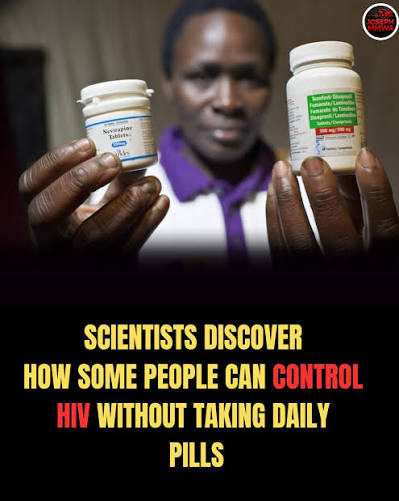
Scientist displays HIV treatment medication during research on long-term HIV control
All participants had been taking the daily combination of bictegravir-emtricitabine-tenofovir alafenamide (B/F/TAF) for at least six months. The regimen is considered one of the most effective HIV treatments in the world, and all participants had undetectable levels of the virus in their blood.
Half of the participants switched to a once-weekly combination of islatravir and lenacapavir (ISL/LEN), while the other half remained on the daily B/F/TAF regimen. Both groups also received a matching placebo for the treatment they were not taking, meaning neither the participants nor the researchers knew who was receiving which regimen.
The international trial involved participants from multiple countries and compared the once-weekly pill with widely used daily HIV treatments over 48 weeks. Results showed that the weekly medication successfully kept the virus suppressed at rates comparable to existing daily therapies, while offering greater convenience and the potential to improve adherence for people who struggle with taking medication every day. Experts say reducing the number of doses from 365 to just 52 each year could significantly improve quality of life for many people living with HIV
The success of a once-weekly HIV pill highlights the power of scientific innovation to transform treatment, reduce the burden of daily medication, and improve health outcomes worldwide